Chassis Systems
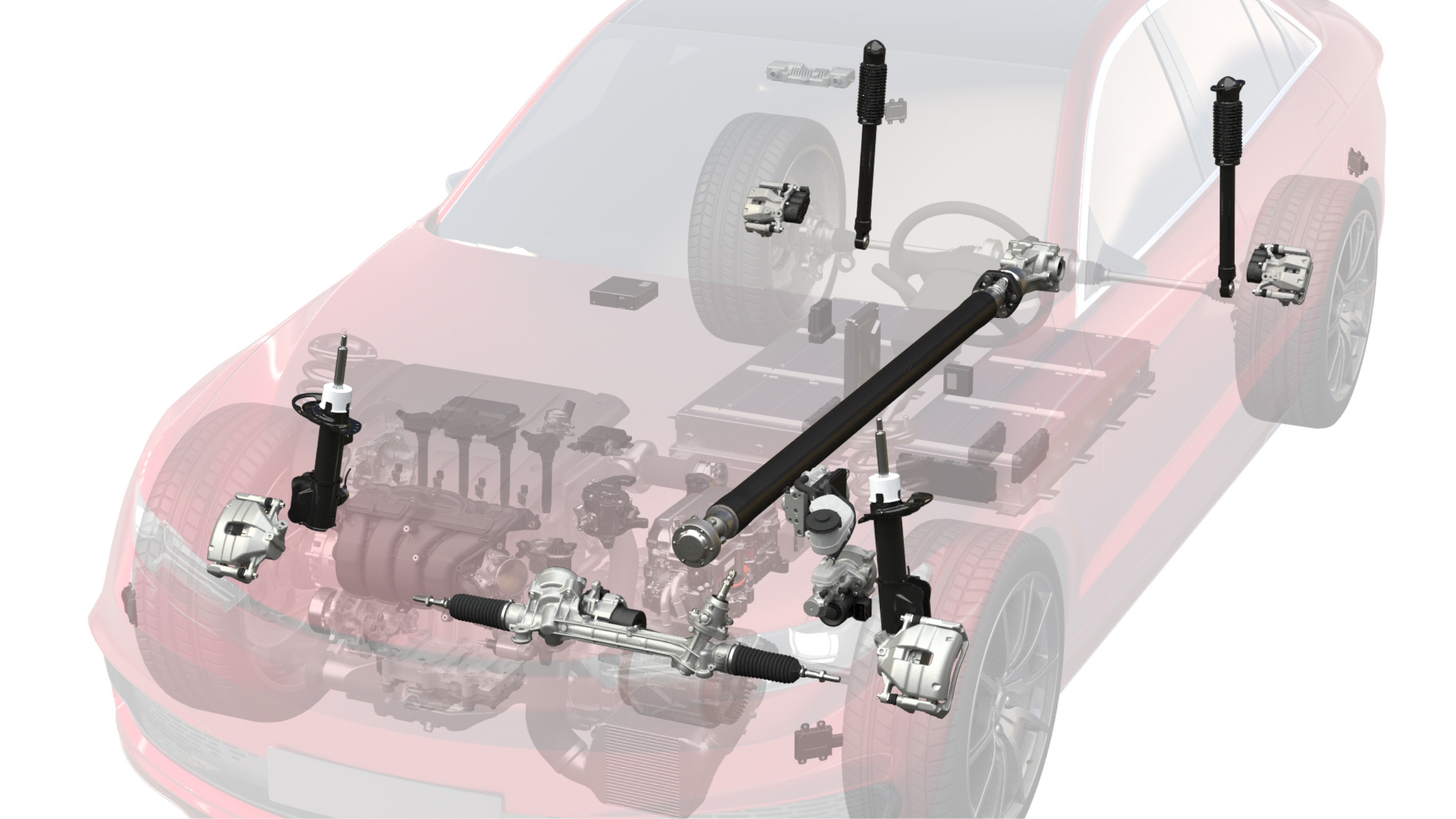
Our brakes, steering, suspension and drivetrain solutions enhance driving performance by leveraging digitization, electrification, and more to provide greater safety and comfort.

Suspension Systems
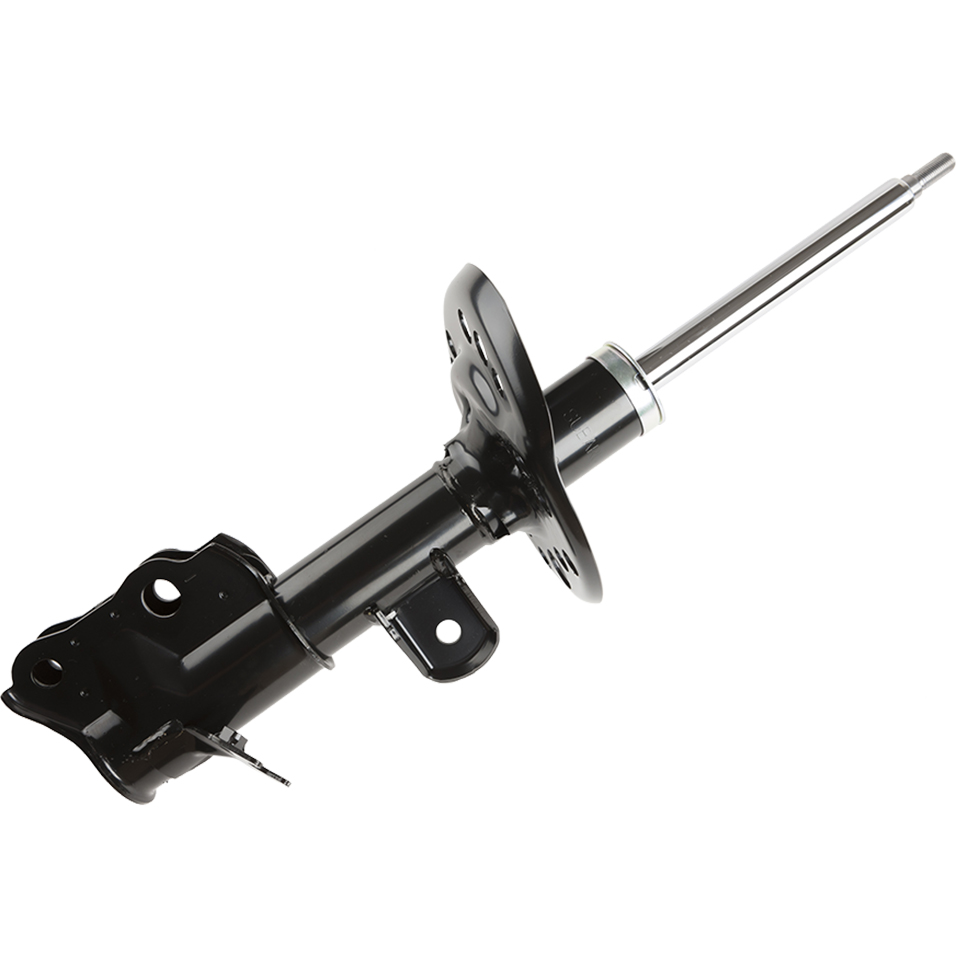
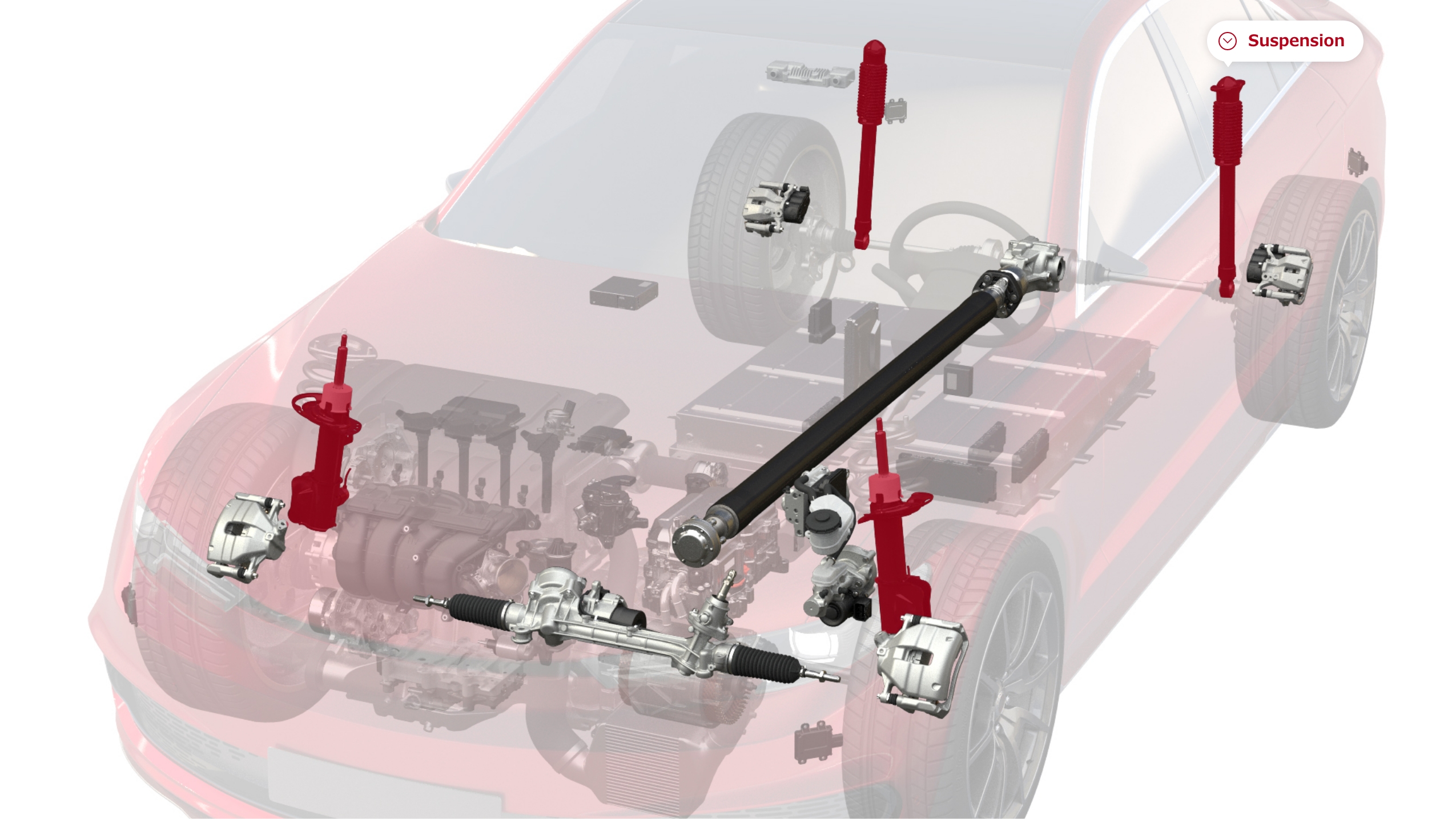
Suspension Strut
In addition to improving ride comfort, its body motion control and handling stability provide enhanced performance.
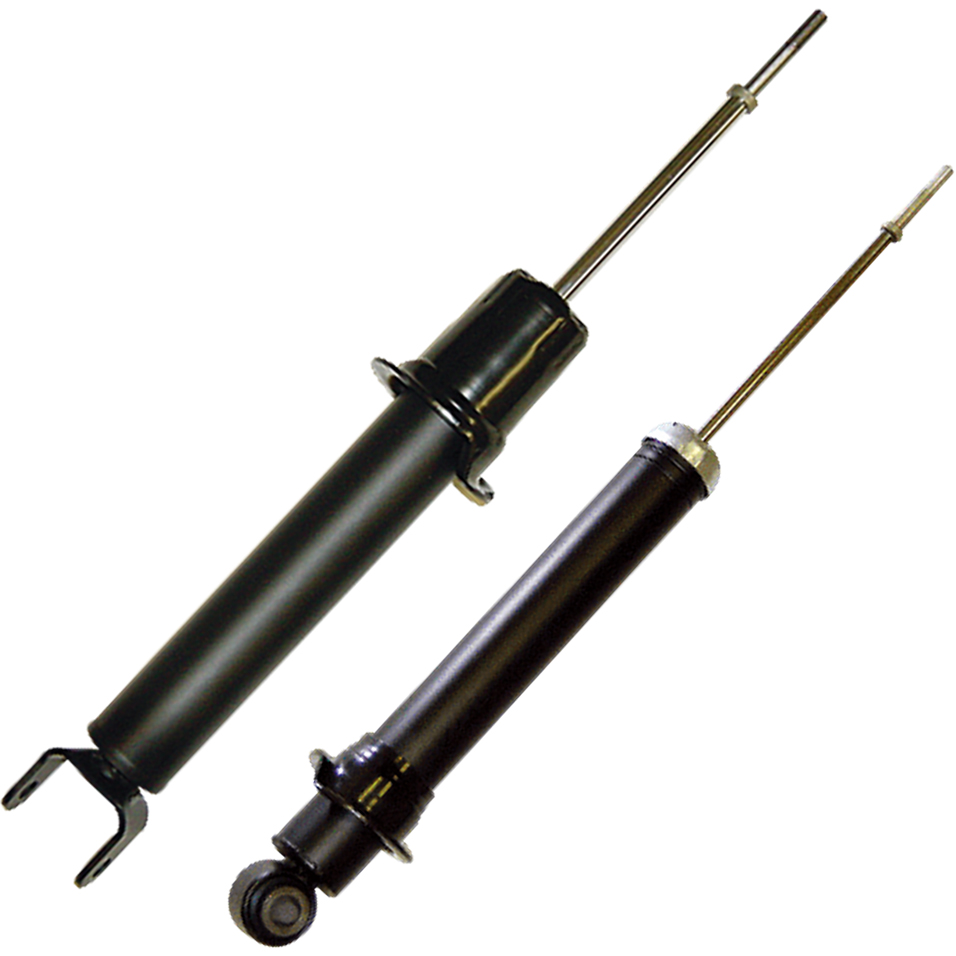
Monotube Shock Absorber
The monotube design enables a more compact shock absorber, enhancing the design flexibility surrounding the vehicle's suspension. In addition, the high-pressure gas-filled construction provides excellent responsiveness, and allows for the damping force performance to be tailored to the characteristics of the vehicle as well as for the region where it is used.
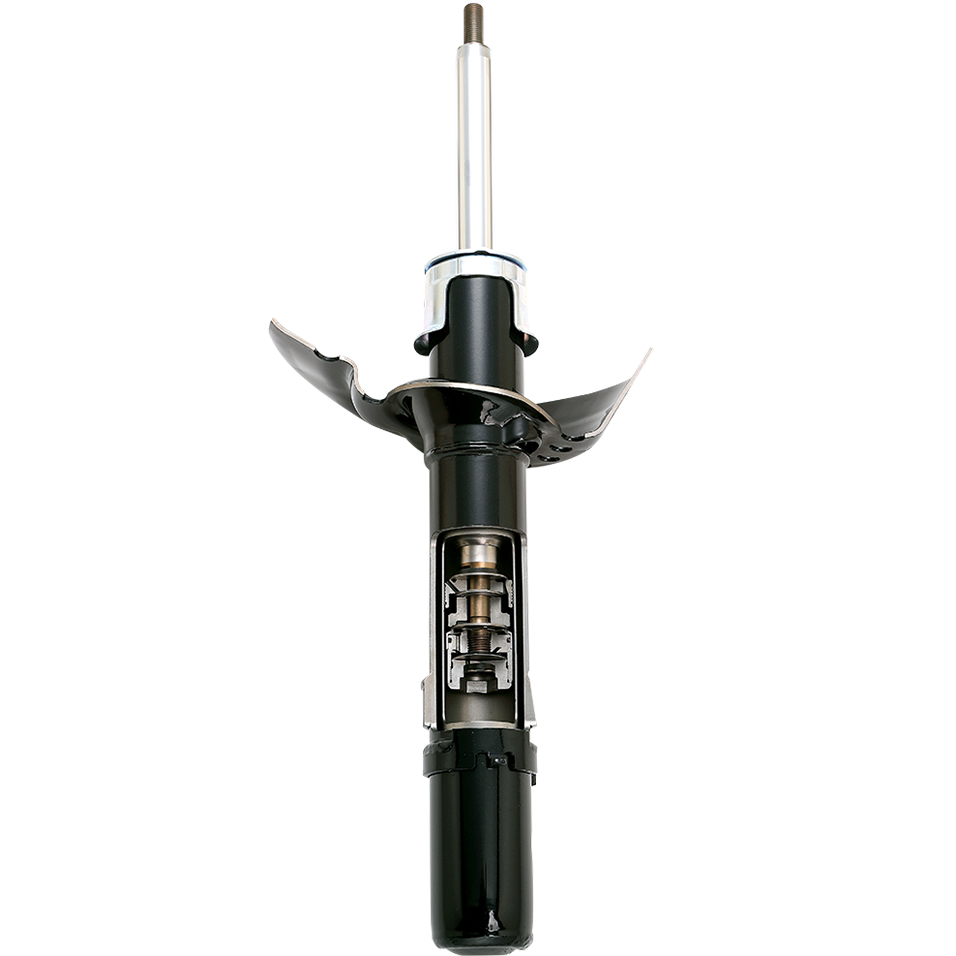
Frequency Reactive Damper
The mechanical-type structure of the damper automatically adjusts damping force based on the frequency of the vibrations transmitted from the road surface, achieving a high level of both handling stability and ride comfort.
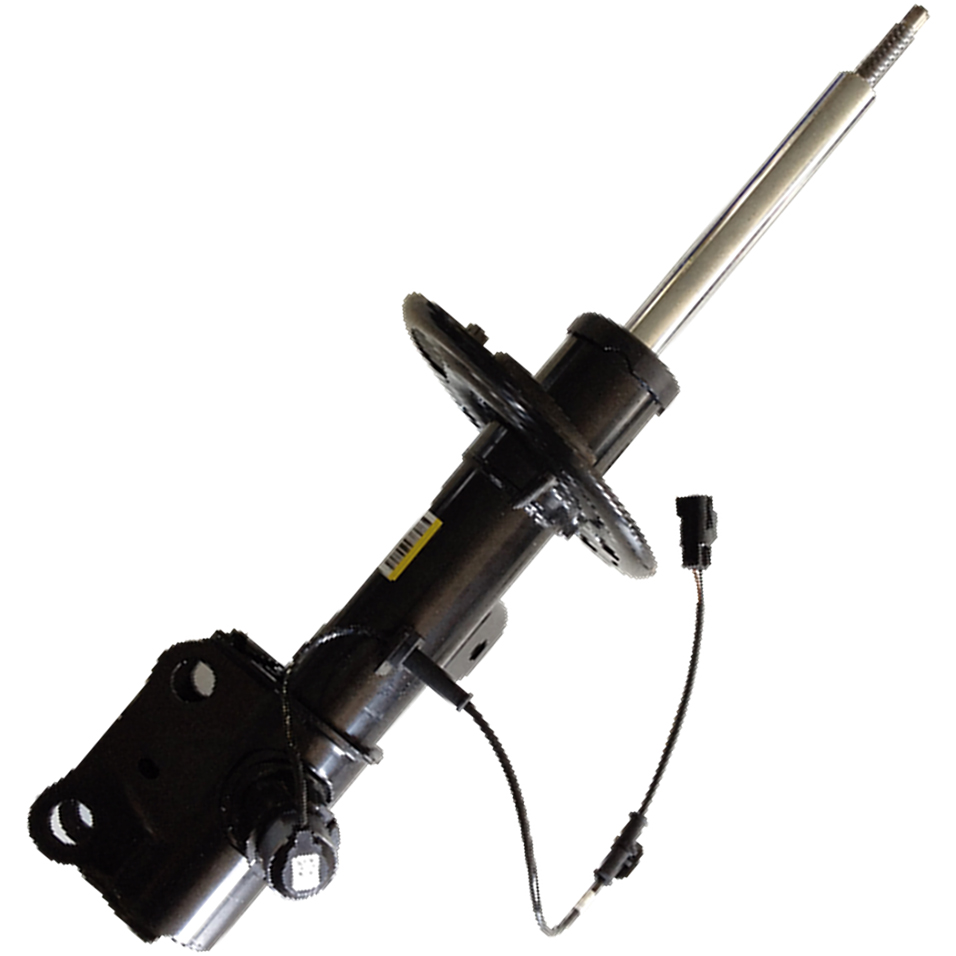
Semi-Active Suspension System
In addition to the damper having a unique damping force adjustment mechanism, the system is installed with electronic control devices such as ECUs and sensors. By adjusting the damping force to the optimum level according to the road surface and driving conditions, the product provides a high level of handling stability and ride comfort.
Steering Systems
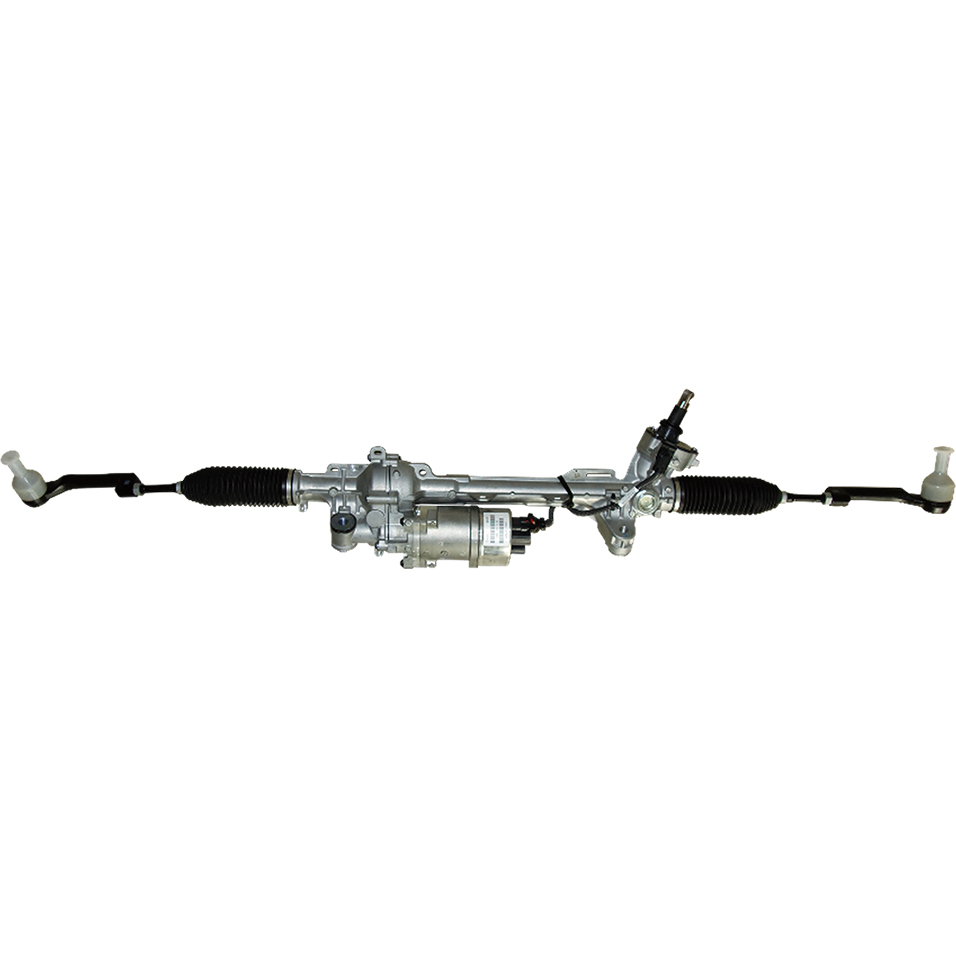
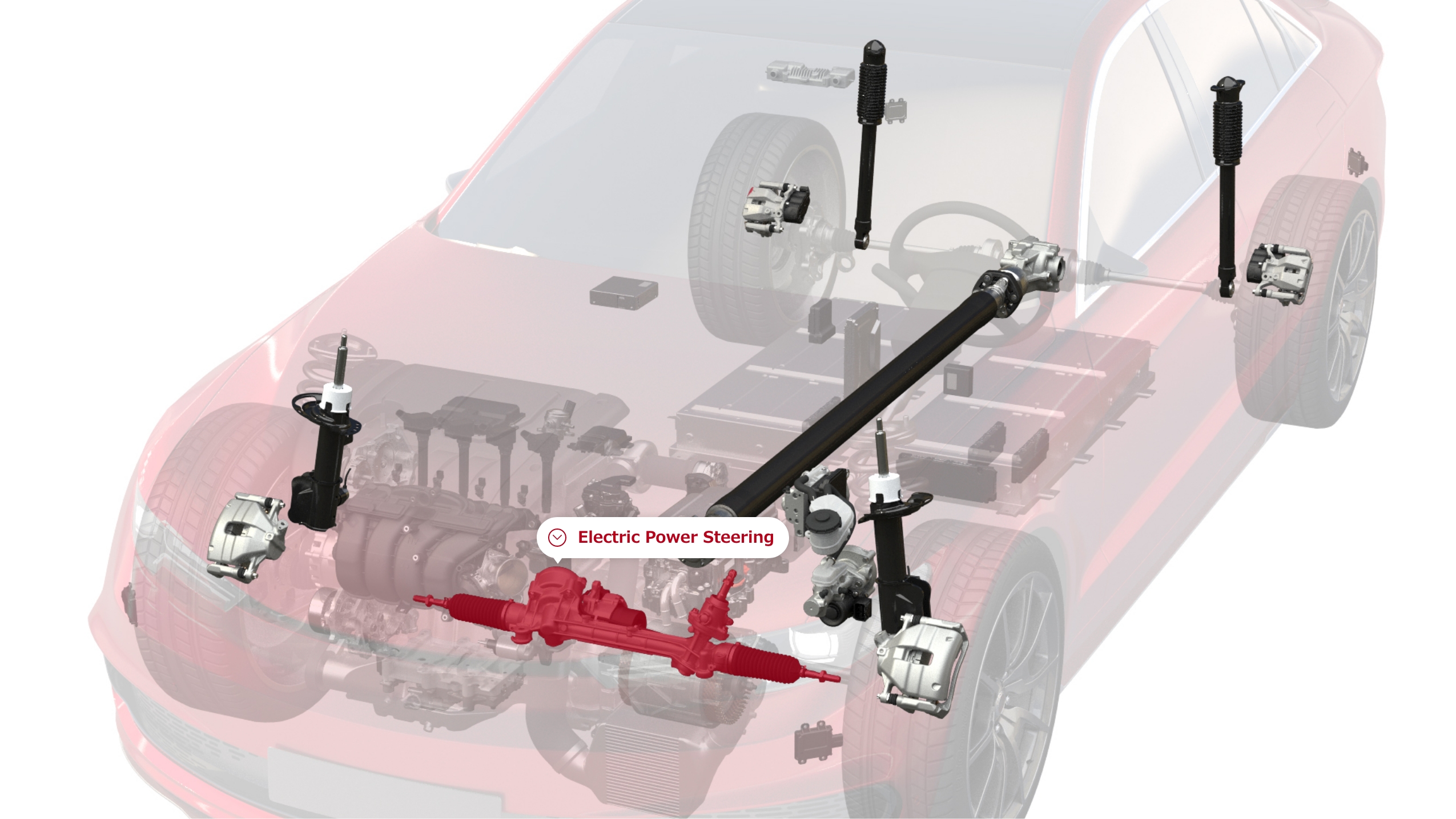
Electric Power Steering System (Belt Drive Rack Assist Type)
The high-efficiency power steering gear places the assist motor parallel to the rack shaft and transmits assist force via a belt drive to reduce steering effort. It combines excellent steering feel with quiet operation, while redundant ECU and motor designs support automated driving with high reliability and continuous assist.
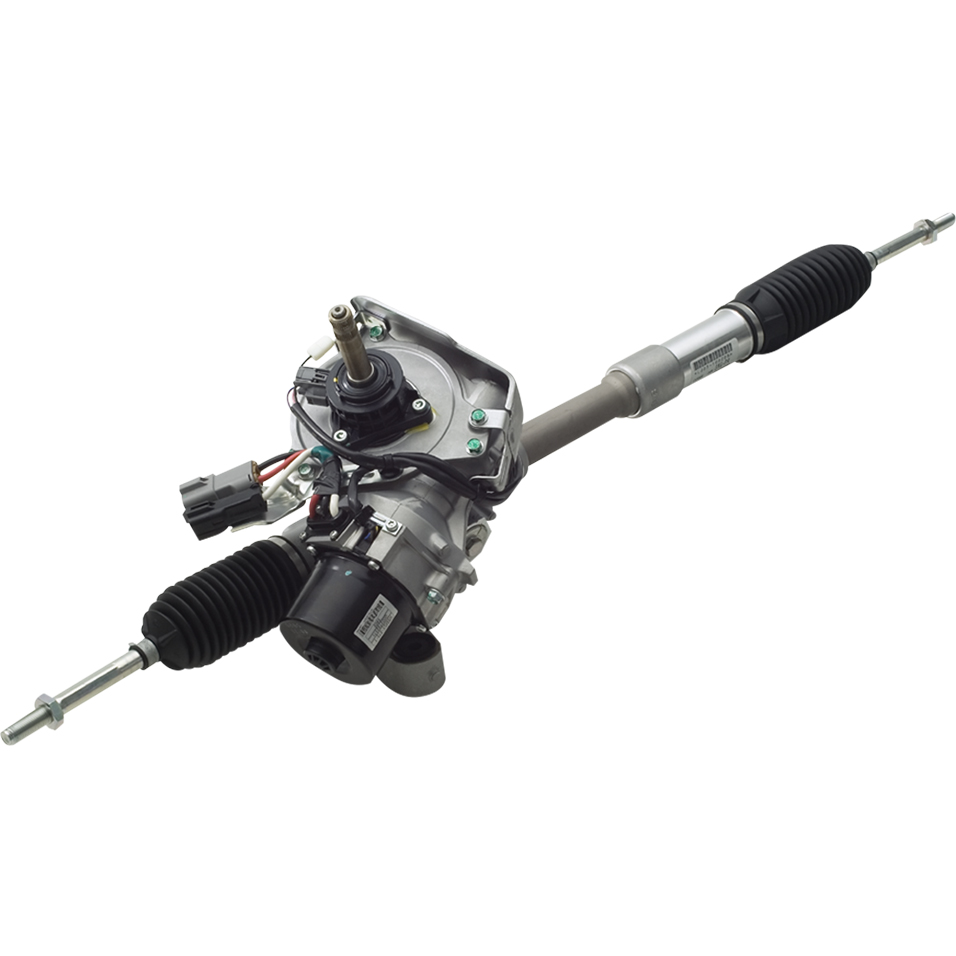
Electric Power Steering System (Pinion Assist Type)
This system places the power-assist unit on the pinion gear (input shaft). Delivering high performance and high output while providing excellent steering feel and quiet operation, it supports a wide range of vehicles—from kei cars to compact cars.
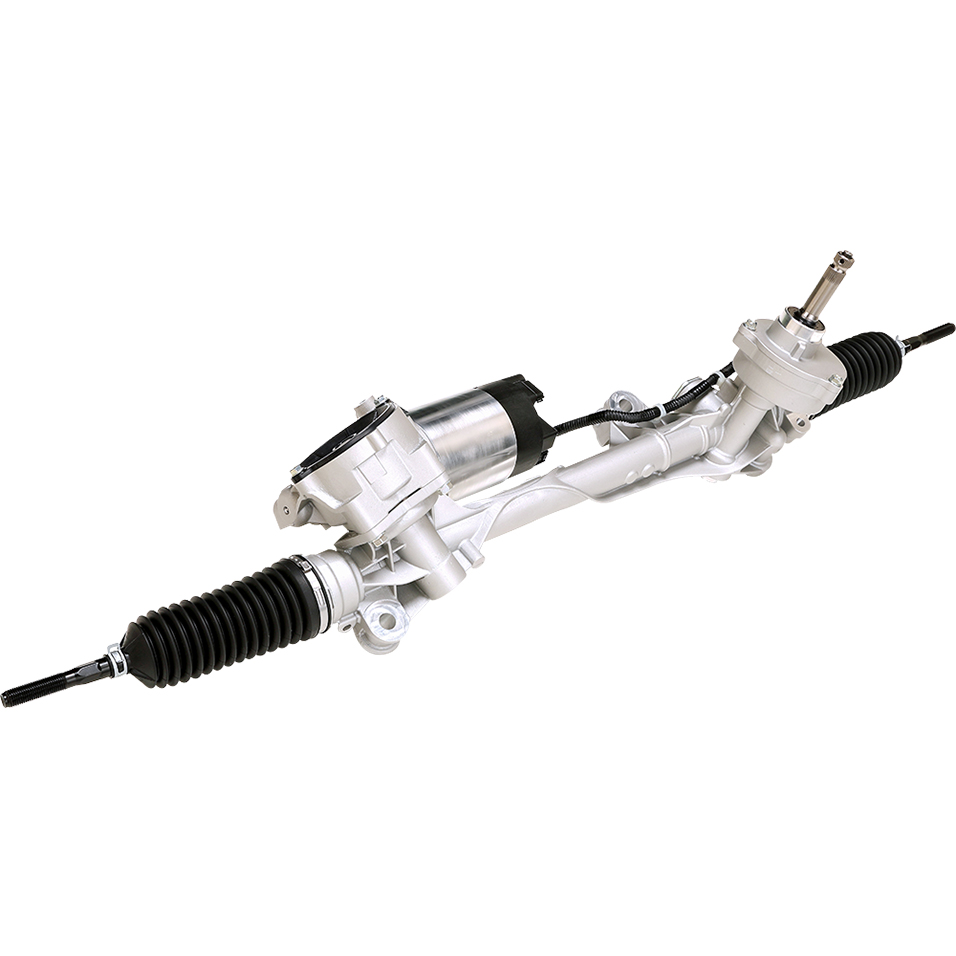
Electric Power Steering System (Dual Pinion Assist Type)
The steering rack features two pinions: One connected conventionally to the steering shaft, and the other connected to the power-assist motor. This structure enables smooth turn-in and quick counter-steer, ensuring a high level of steering feel. Suitable for small to mid-size vehicles.
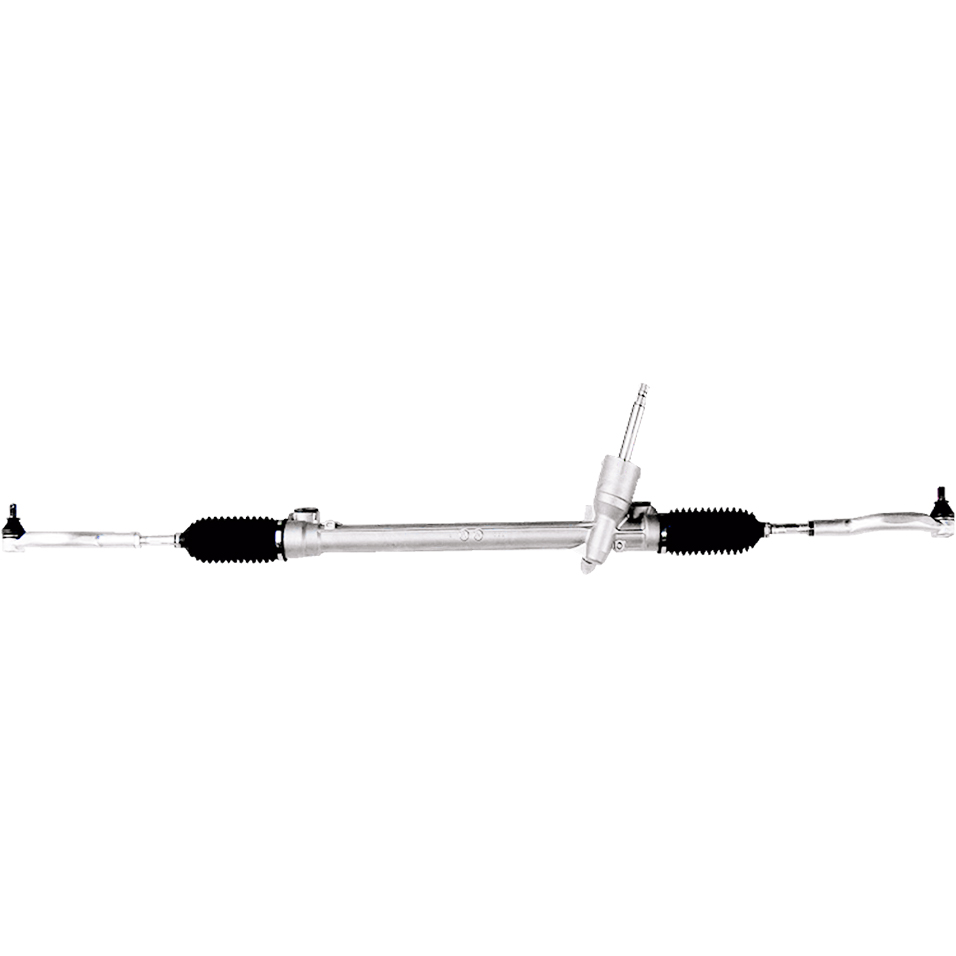
Manual Steering Gear for Column Assist EPS
The lightweight, column-assist electric power steering system has high rigidity and is used in kei, small, and mid-size vehicles. Because the steering gear ratio can vary with steering angle, it balances handling stability with maneuverability.
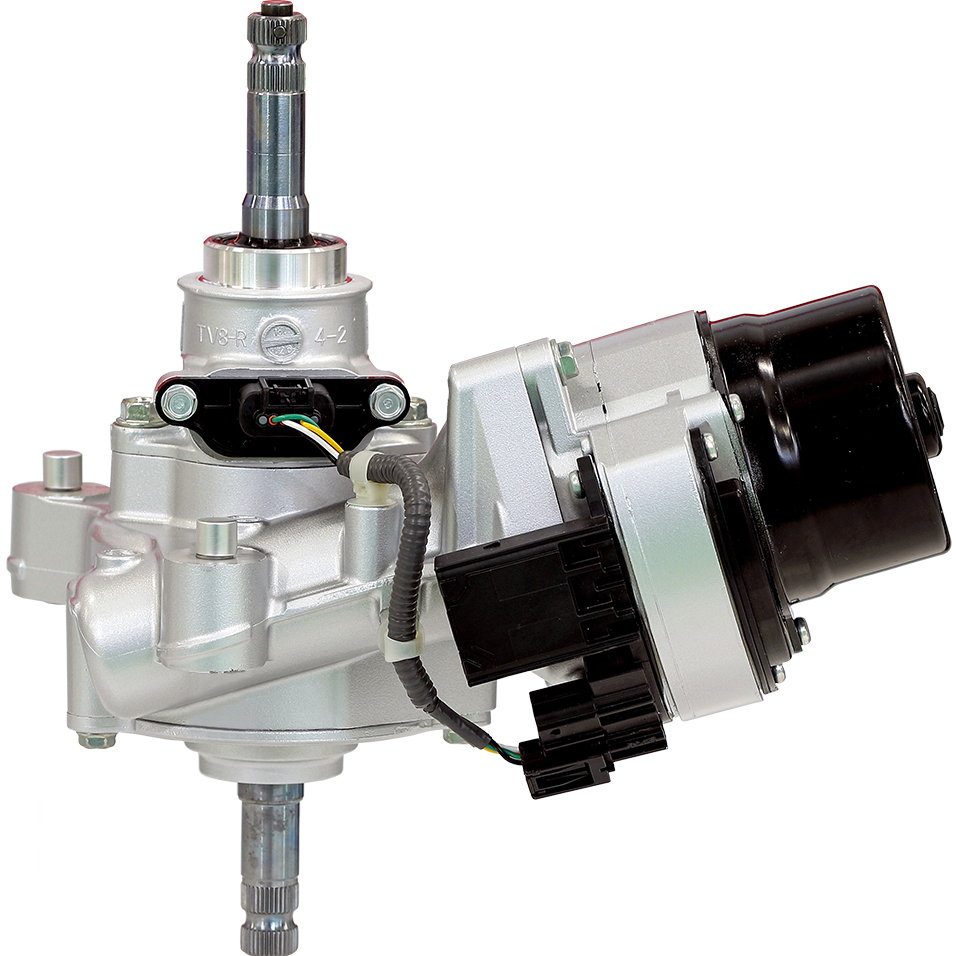
Multiuse EPS
Built on electric power steering technology for automobiles, it offers excellent durability and reliability and is widely adopted for ATVs (All-Terrain Vehicles) as well as MUVs (Multi Utility Vehicles).
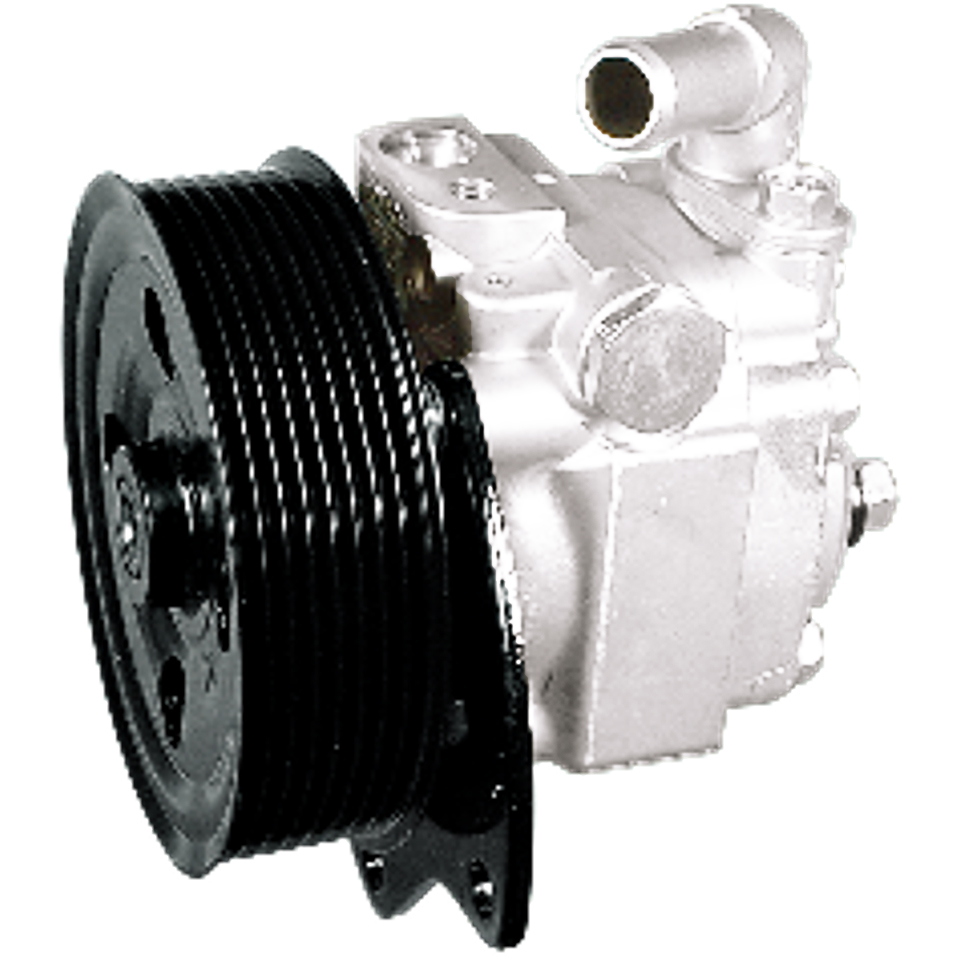
Power Steering Pump (Variable Displacement Type)
Compared with fixed-displacement pumps, the variable-displacement type requires lower drive torque, contributing to improved fuel economy. It also generates less heat and suppresses power steering oil-temperature rise, enabling simpler or no cooler piping. A wide product lineup supports applications from passenger cars to heavy-duty trucks.
Drivetrain Systems
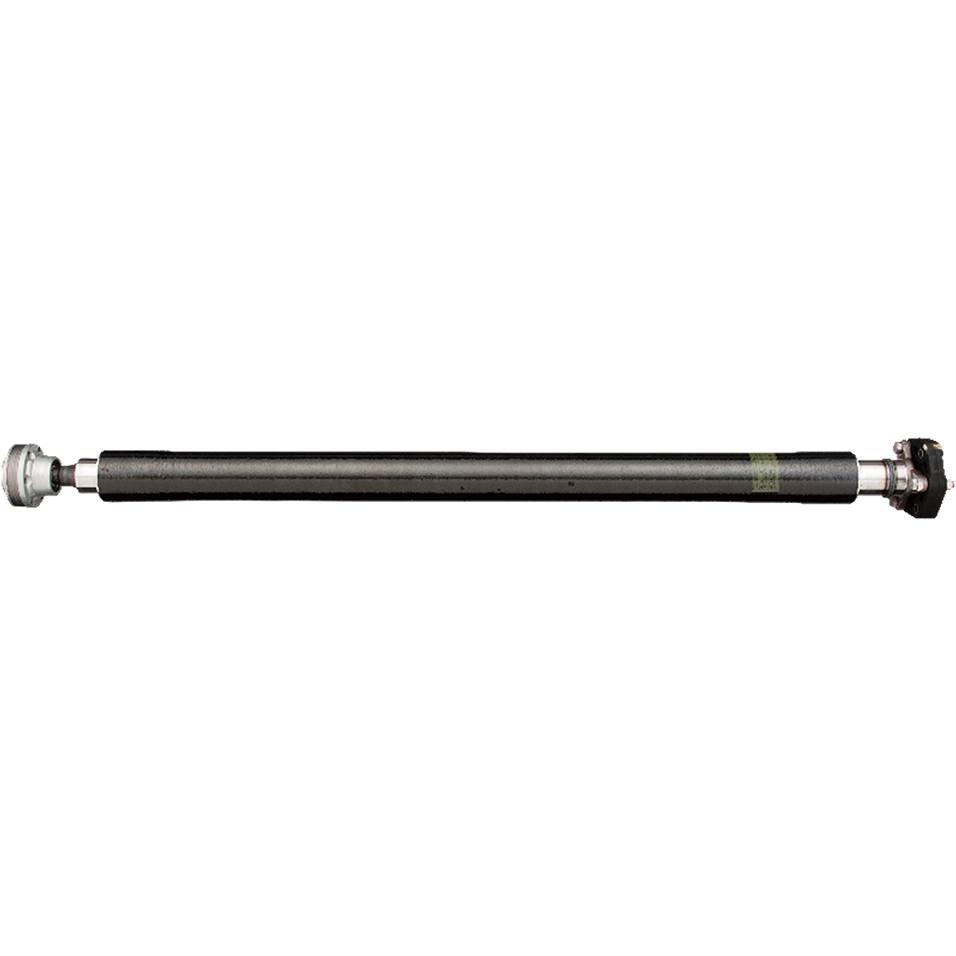
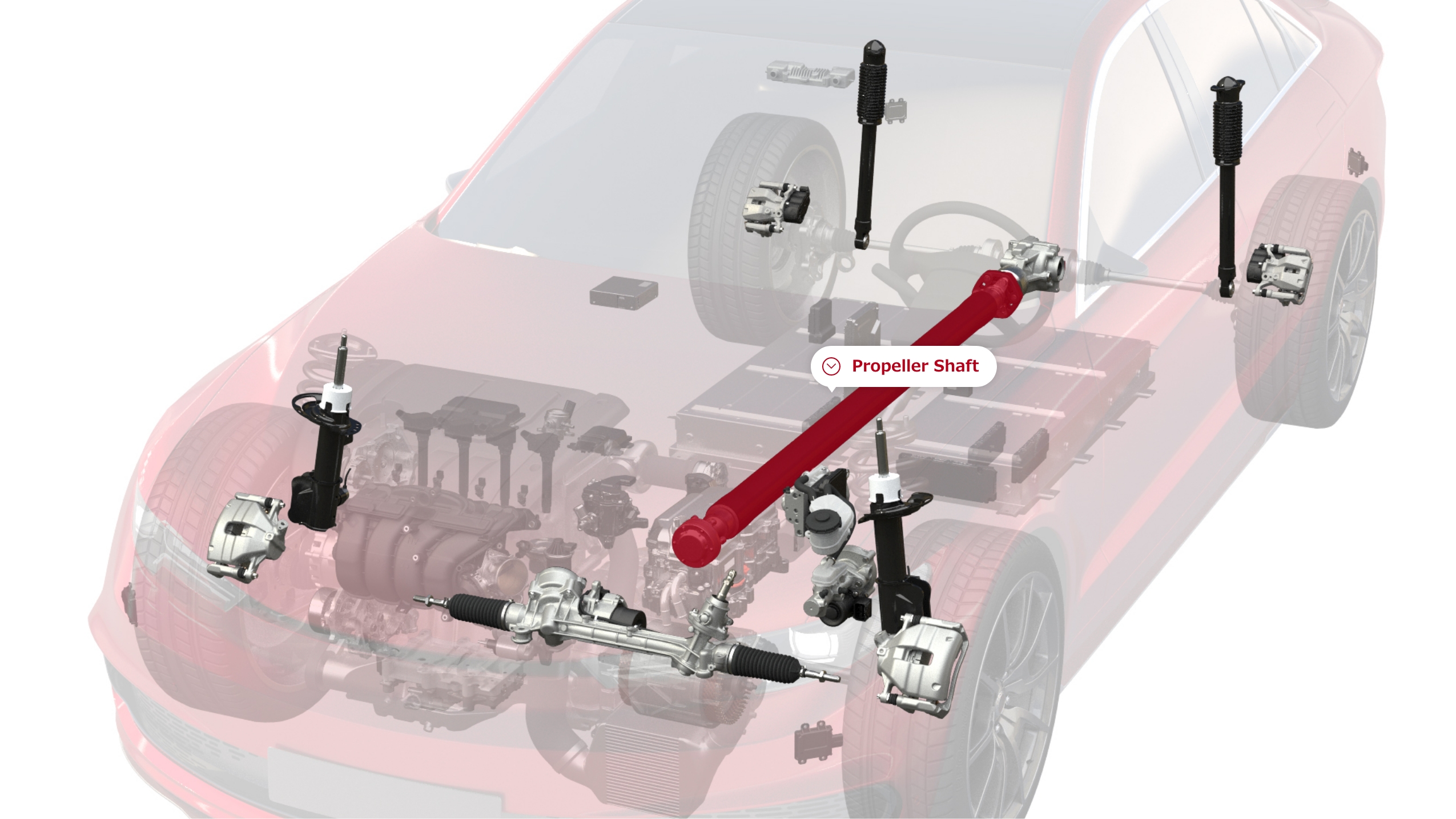
CFRP Tube Type (Propeller Shaft)
Lighter than steel tubes, this design contributes to improved fuel efficiency. While steel tubes are often made in two pieces to increase critical speed, optimizing the carbon-fiber winding angle enables a one-piece design by tuning bending natural frequency and torsional strength. In a collision, the axially crushable structure designed to collapse under low load helps reduce risk to occupants.
CFRP:Carbon Fiber Reinforced Plastics
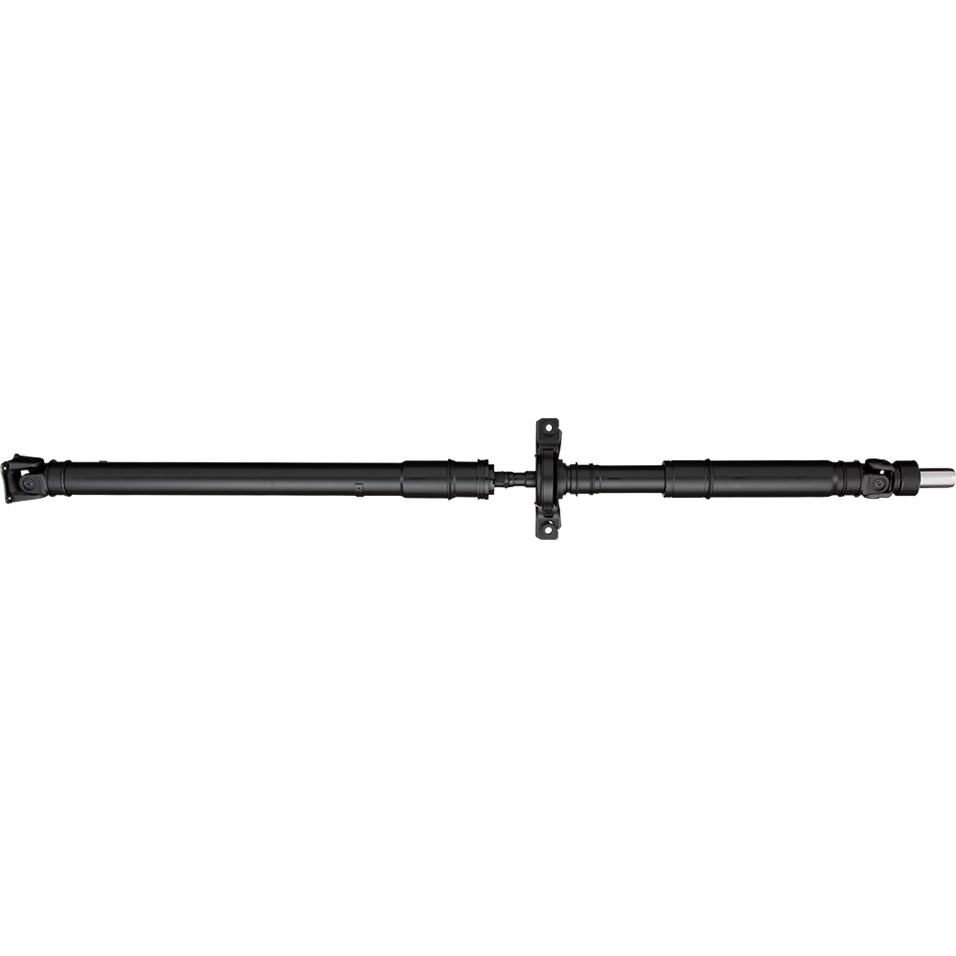
Impact Absorbable CVJ Type (Propeller Shaft)
The propeller shaft absorbs the impact of vehicle collision. The tube and constant-velocity joints contract for a sustained period of time under a low load to absorb impact and mitigate harm to passengers.
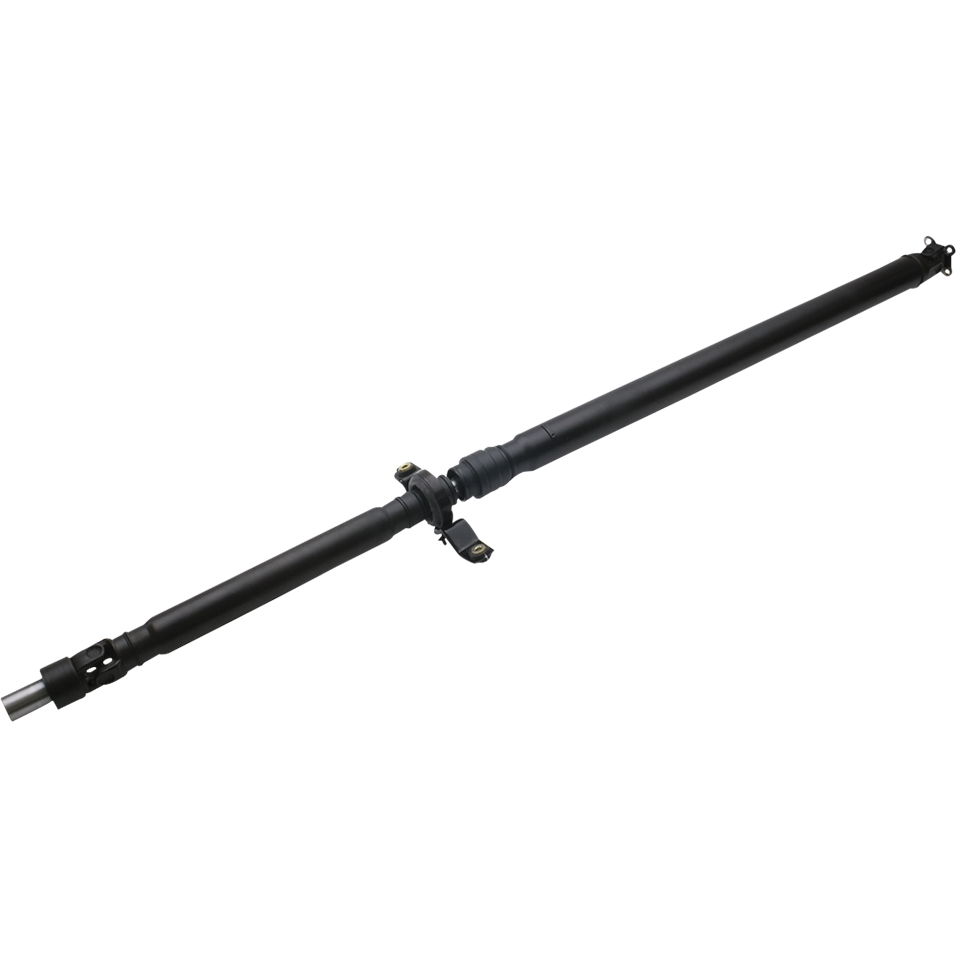
Single-Piece-Type Propeller Shaft
In vehicles where the engine and drive axle are separated—such as four-wheel-drive and rear-wheel-drive vehicles—the propeller shaft transmits drive force generated by the engine to the axle. Friction welding at the joints improve joint strength, quality, and durability, reducing both parts count and weight.
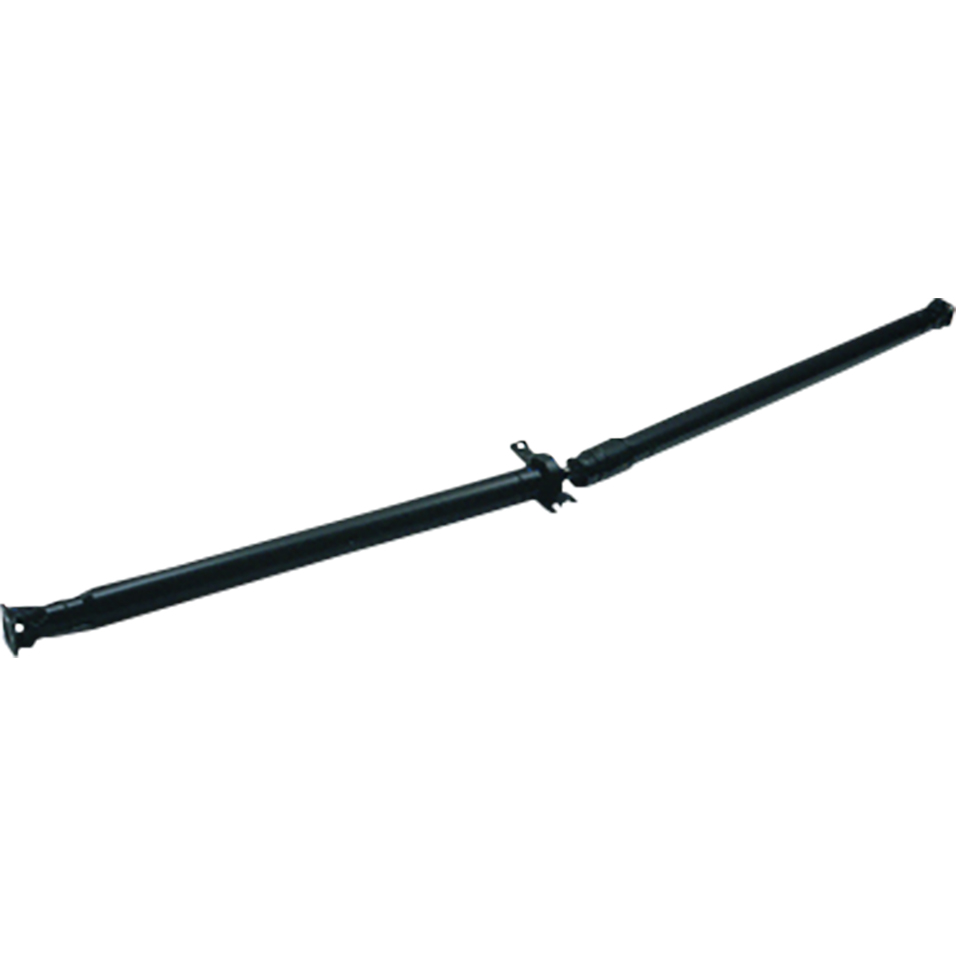
2-Piece-Type / 3-Piece-Type Propeller Shaft
Dividing the propeller shaft into two or three pieces helps prevent a drop in critical speed as overall length increases and reduces vibration. A dynamic damper built into the pipe further reduces vibration and noise.
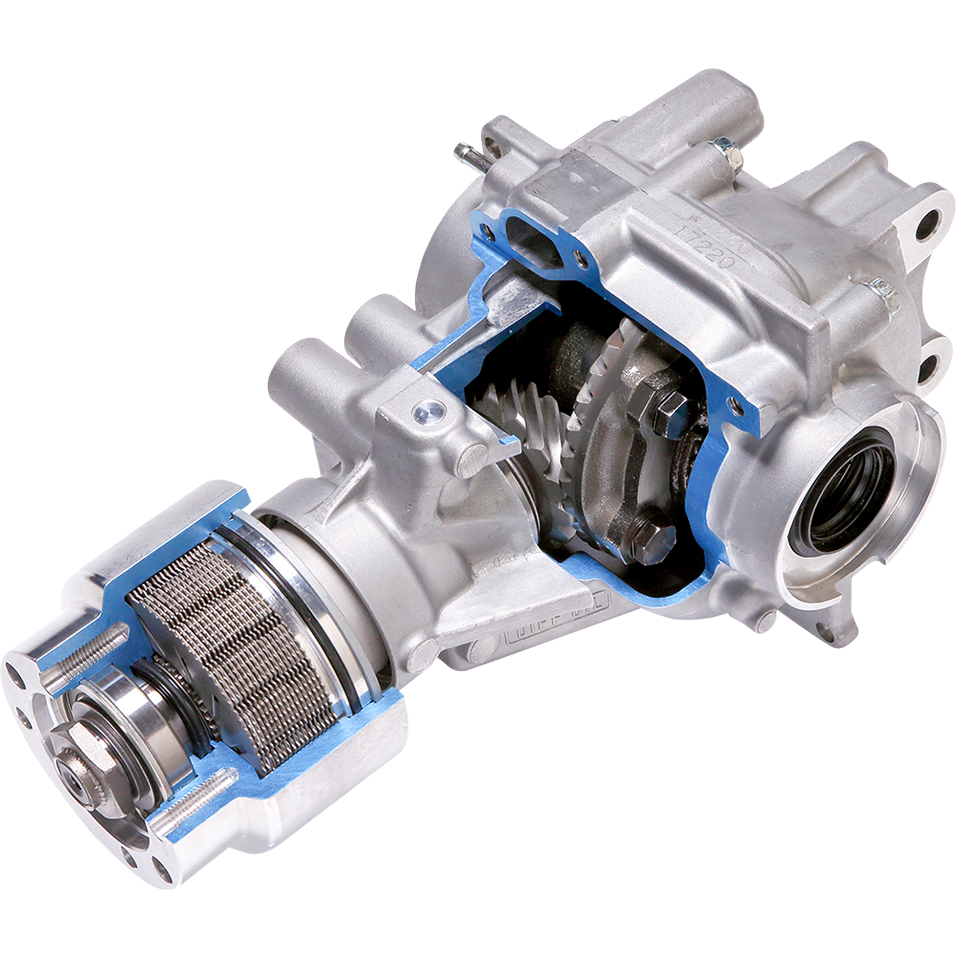
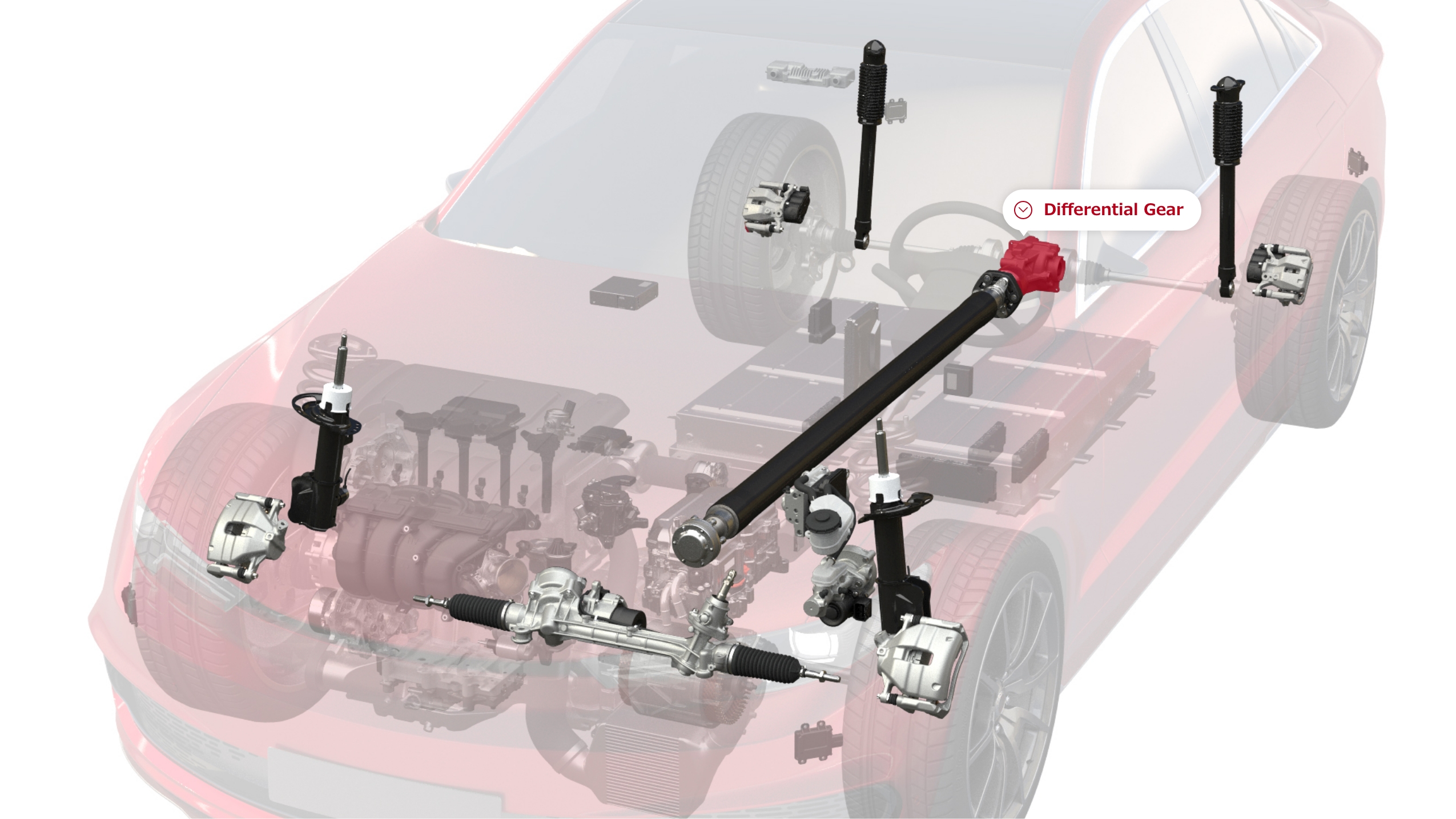
Differential Carrier Assembly
The differential gear is a part of the power transmission device. The driving force generated by an engine is transmitted to the tires through various types of bevel gears. The differential gear assembly absorbs rotational differences due to the direction change of the rotational axis drive and/or the rotational differences between the right and left wheels that lead to smooth cornering.

Rubber Coupling Type (with Lobro Joint)
The rubber coupling is a joint consisting of nylon cord embedded into rubber, which is effective in blocking engine vibrations by reducing bending, torsional and axial rigidity. In addition, the Lobro joint has zero internal gap, which reduces imbalance and suppresses muffled noise at high speeds. This combination makes it possible to improve the sound vibration and quietness of the vehicle.
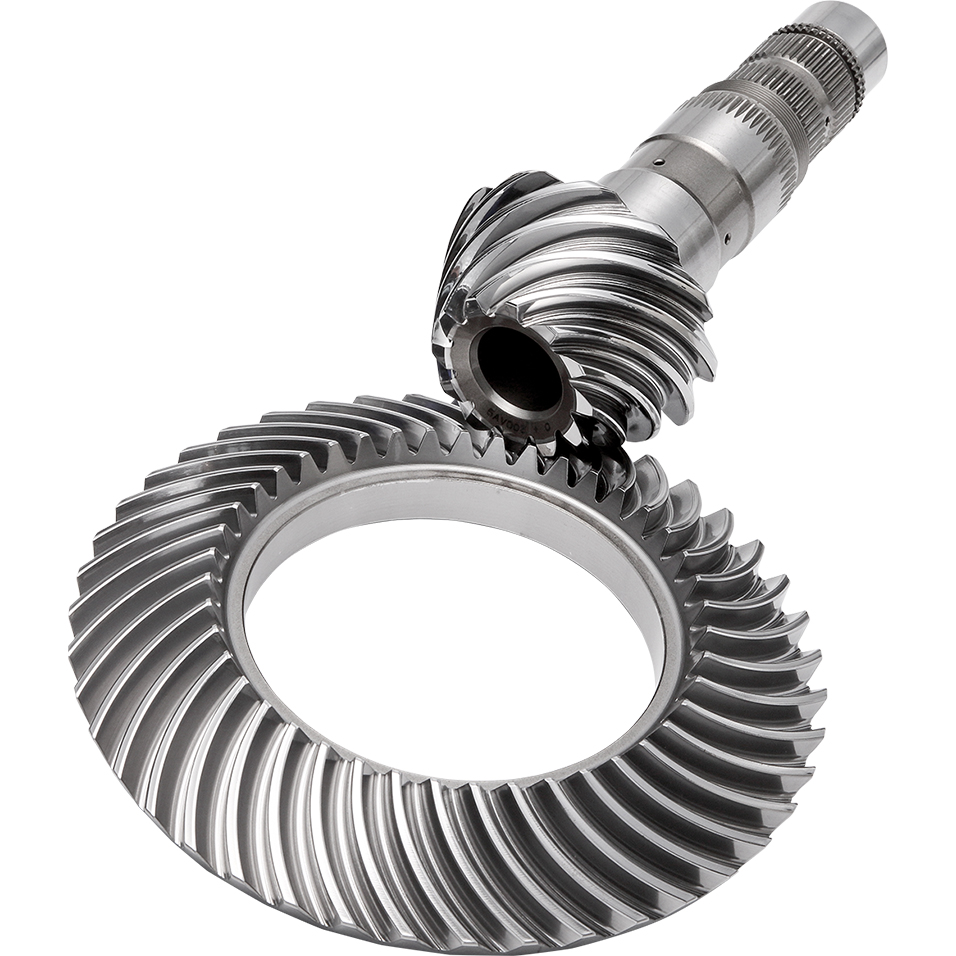
Hypoid gear set
The hypoid gear in the final reduction gear unit changes the direction of drive. The gear converts rotation axis by 90°, and also offsets the torsion position relationship of the two gear axles. This gear set offers high strength and excellent quietness.
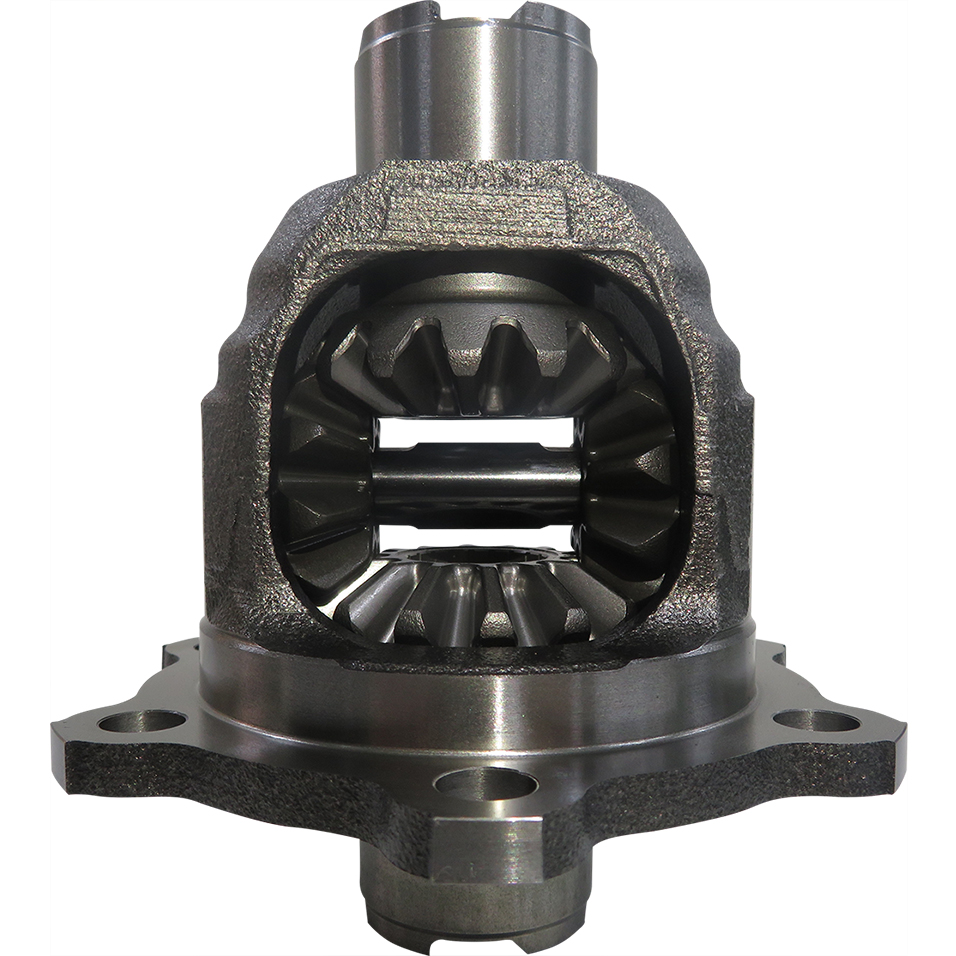
Differential Assembly
Since a difference in rotational speed occurs between the left and right wheels when a car turns, a differential can be equipped to absorb the rotational difference. It can be installed in all vehicles—be it FF, FR, AWD, or BEV cars—and we deliver specifications according to the vehicle needs, such as adopting a TiN pinion shaft that excels in seizure resistance.
TiN: Titanium Nitride Coating
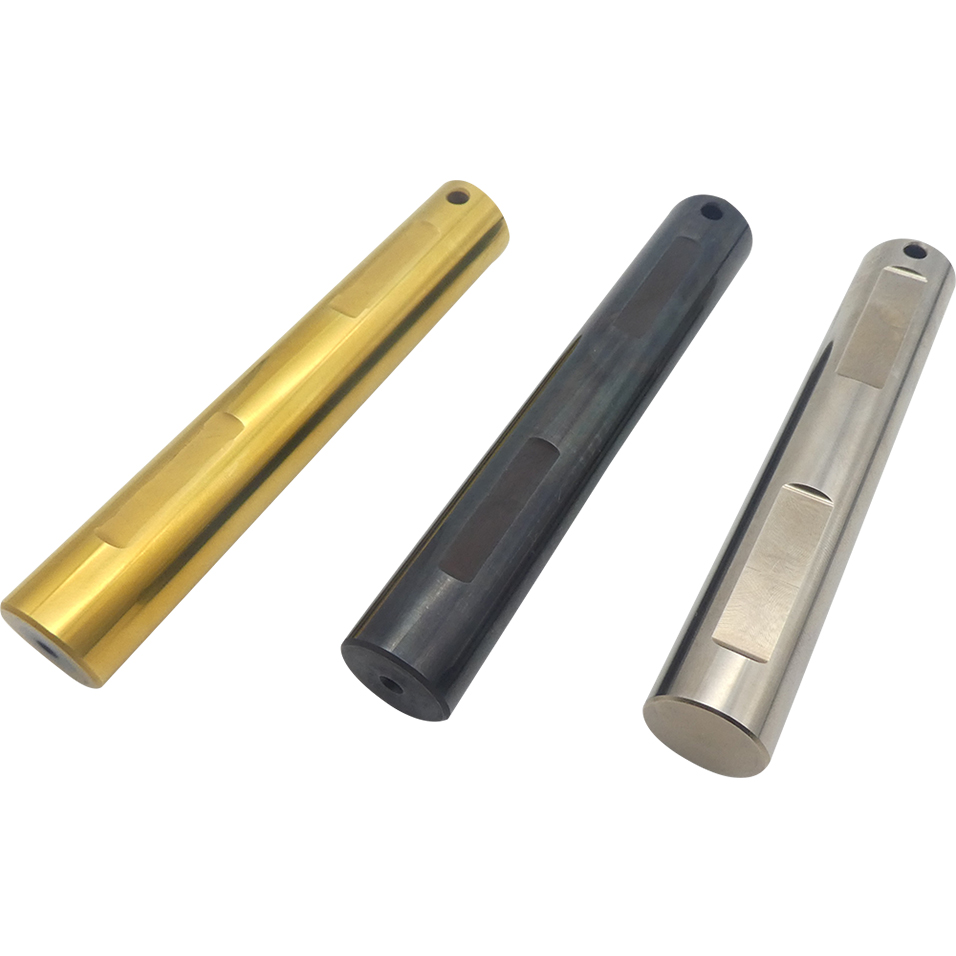
Pinion Shaft
The pinion shaft used in the differential assembly is in a wear-prone environment because the gears placed onto the shaft rotate the surface. Nitriding and NiP are used for surface treatment to perform even in harsh environments, and TiN can be used in even tougher environments to significantly improve the anti-seizure properties.
NiP: Electroless Nickel Plating
Brake Systems
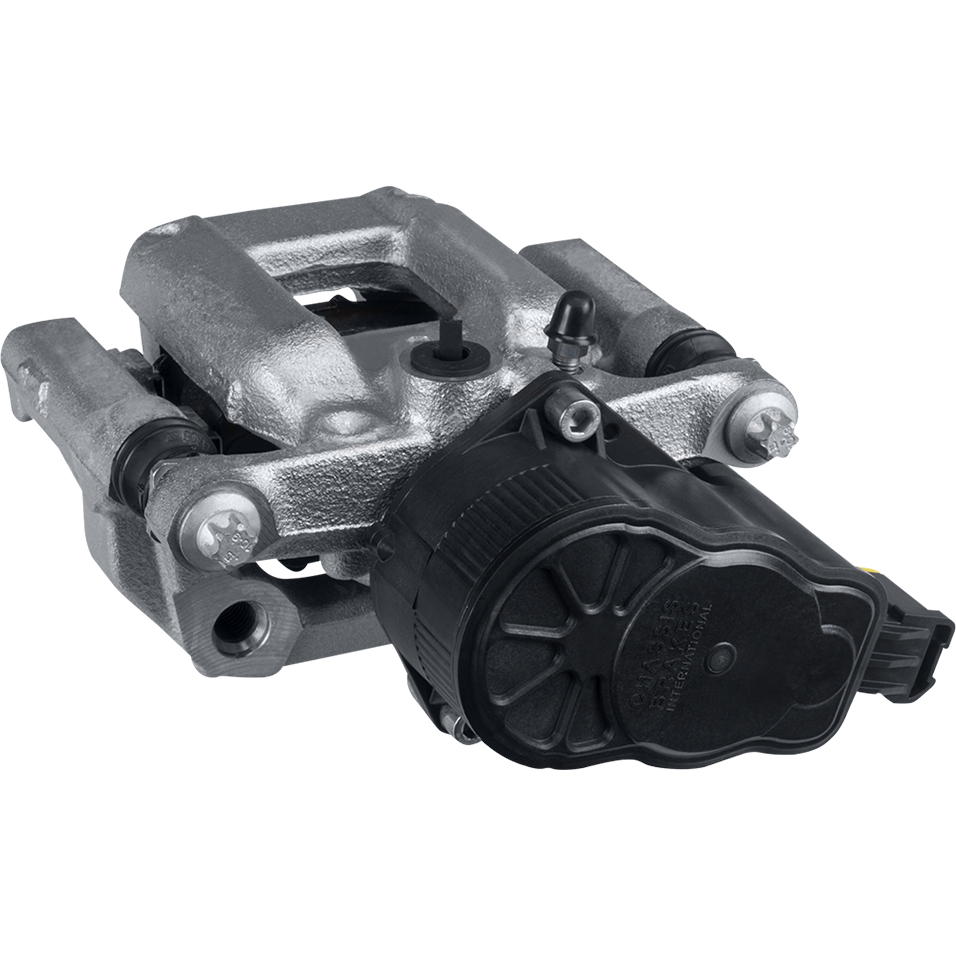
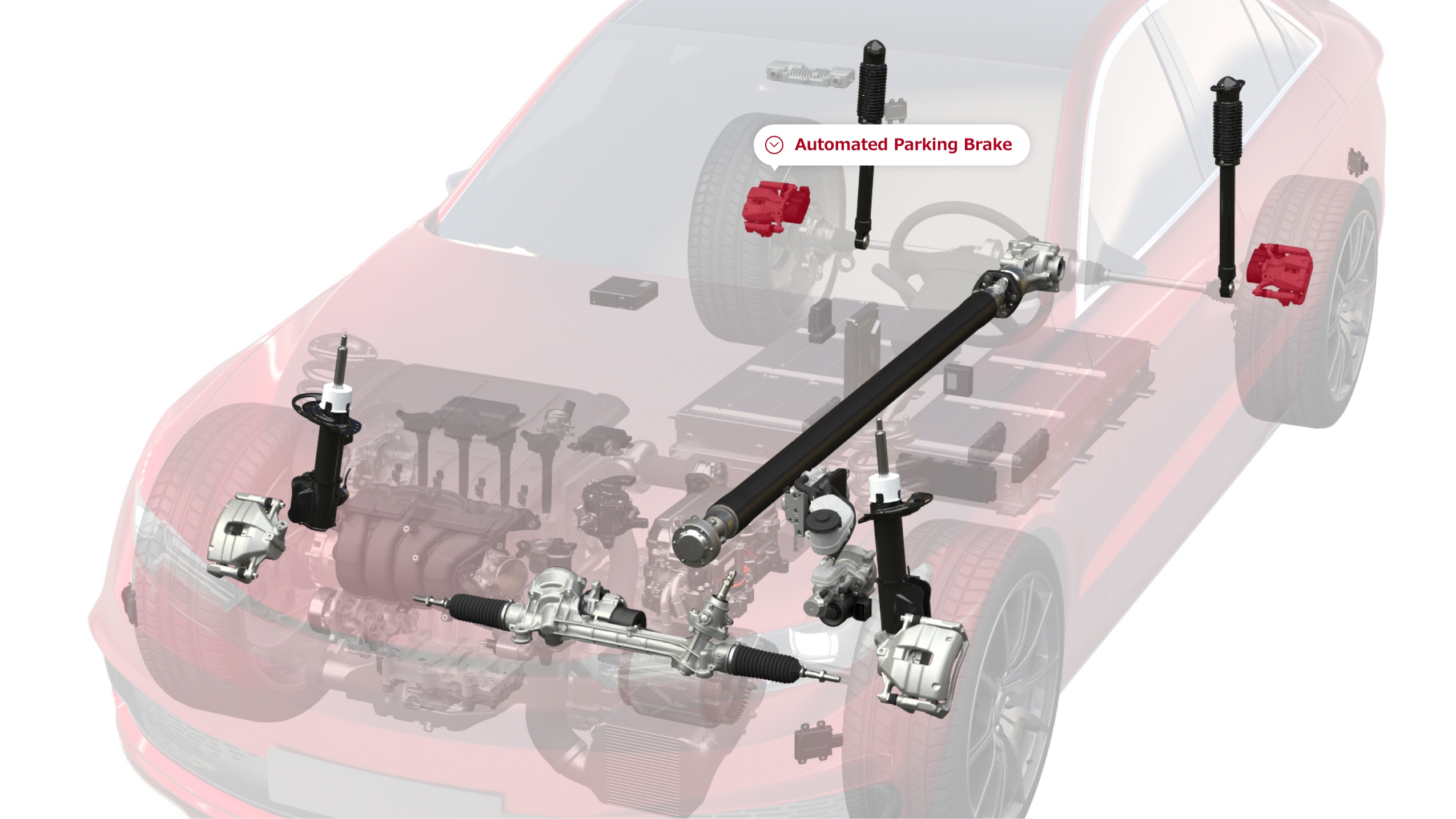
Automated Parking Brake Disc Type
Our electric parking brake provides automakers with advantages that include improved safety, robustness, and autonomous driving functions including automated valet parking. It is also optimized for noise, vibration and harshness (NVH) requirements for future e-mobility. The removal of lengthy cables and levers saves space, simplifies assembly processes and eliminates the need for parking-brake adjustments and presets. An electric parking brake booster is available for vehicles equipped with an electric brake booster.
NVH: Noise, vibration and harshness
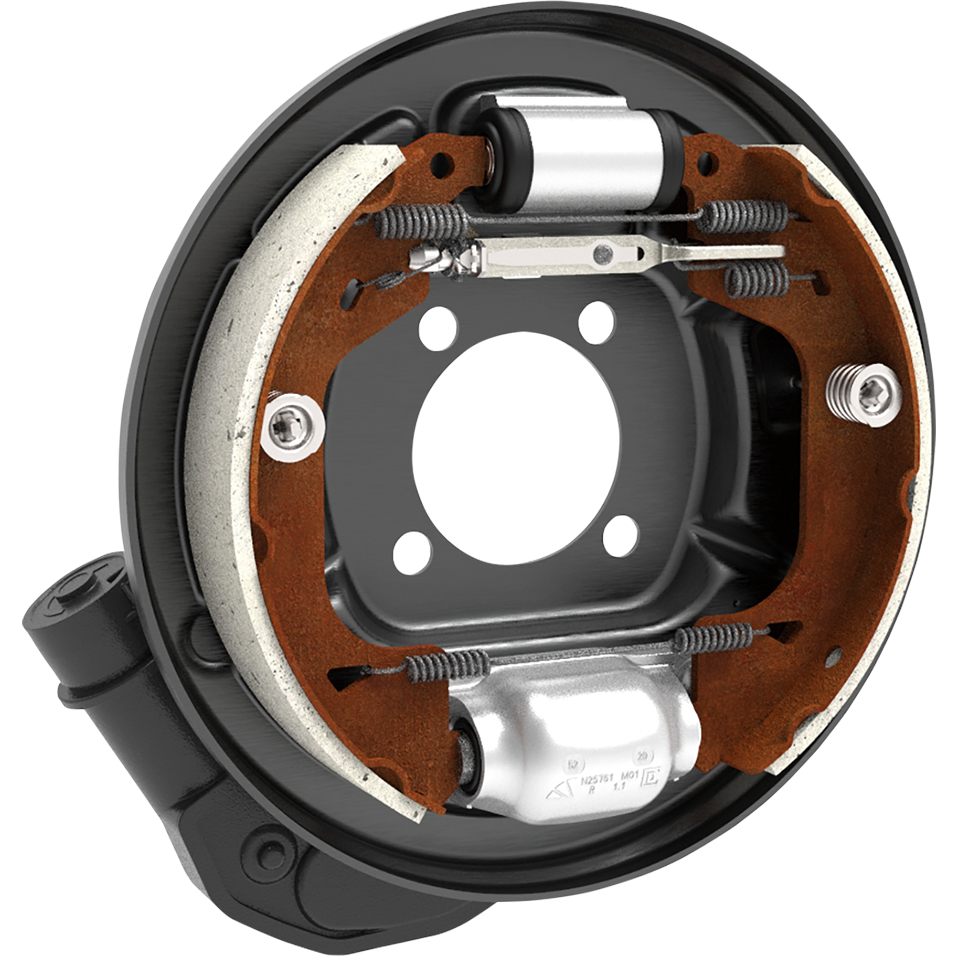
Automated Parking Brake Drum Type
Our innovative drum-type electric parking brake enables automatic parking for drum brake systems. By eliminating lengthy cables and levers, it saves space, simplifies assembly processes and eliminates the need for parking-brake adjustments and presets. This system is also suitable for smaller cars.
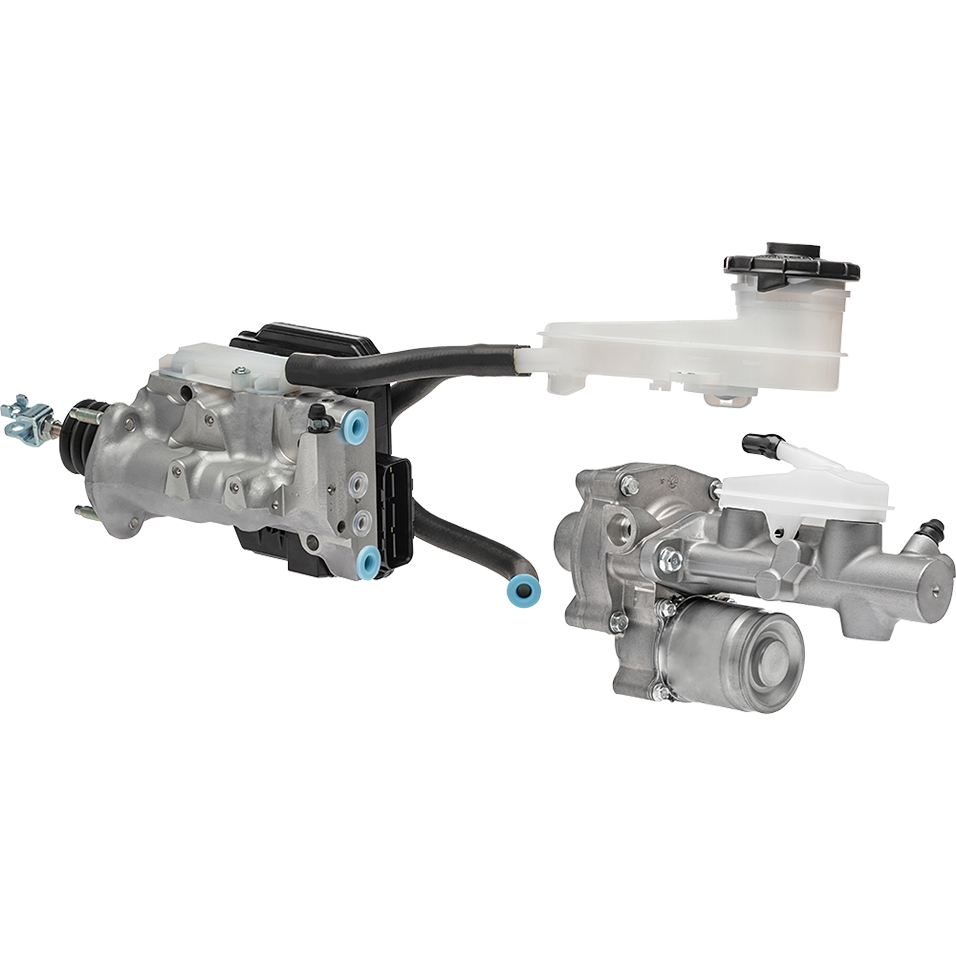
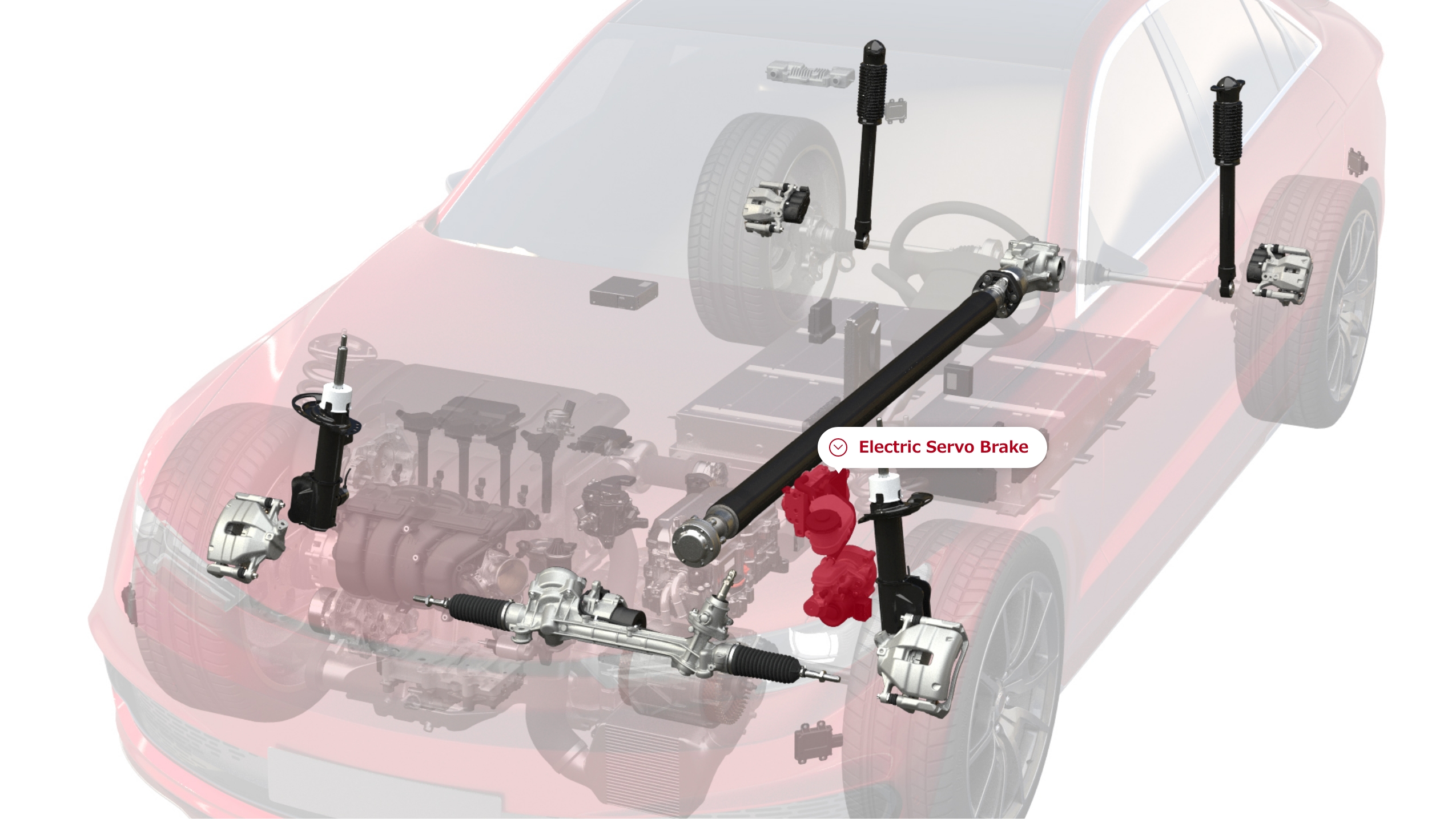
Electric Servo Brake
Our electric servo brake is an Astemo eActuation solution. Combined with ESC, it provides all necessary functions to electric vehicles (e.g. regenerative braking with high level of recuperation), and also ensures redundant functionalities for ADAS levels 3 and 4.
One advantage of the system is the pedal simulator being separate from the power unit—a configuration particularly suitable for vehicles with reduced packaging space for the pedal box.
ESC: Electronic Stability Control
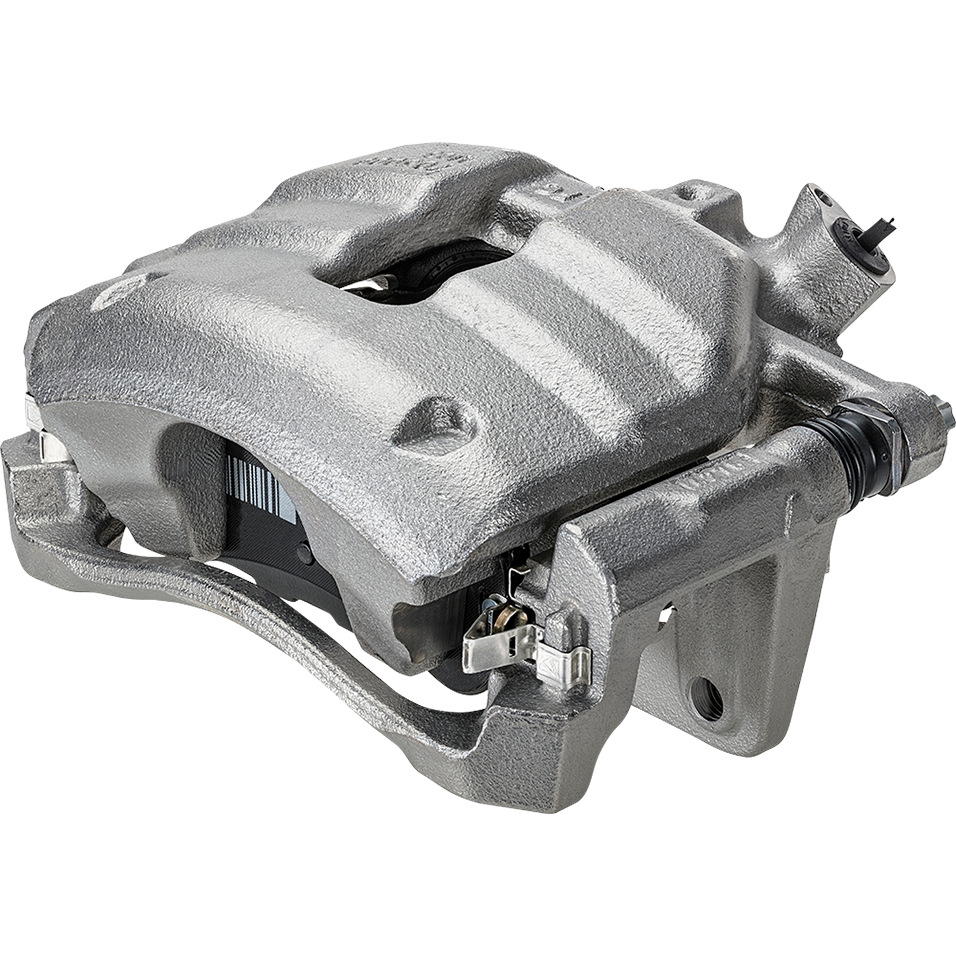
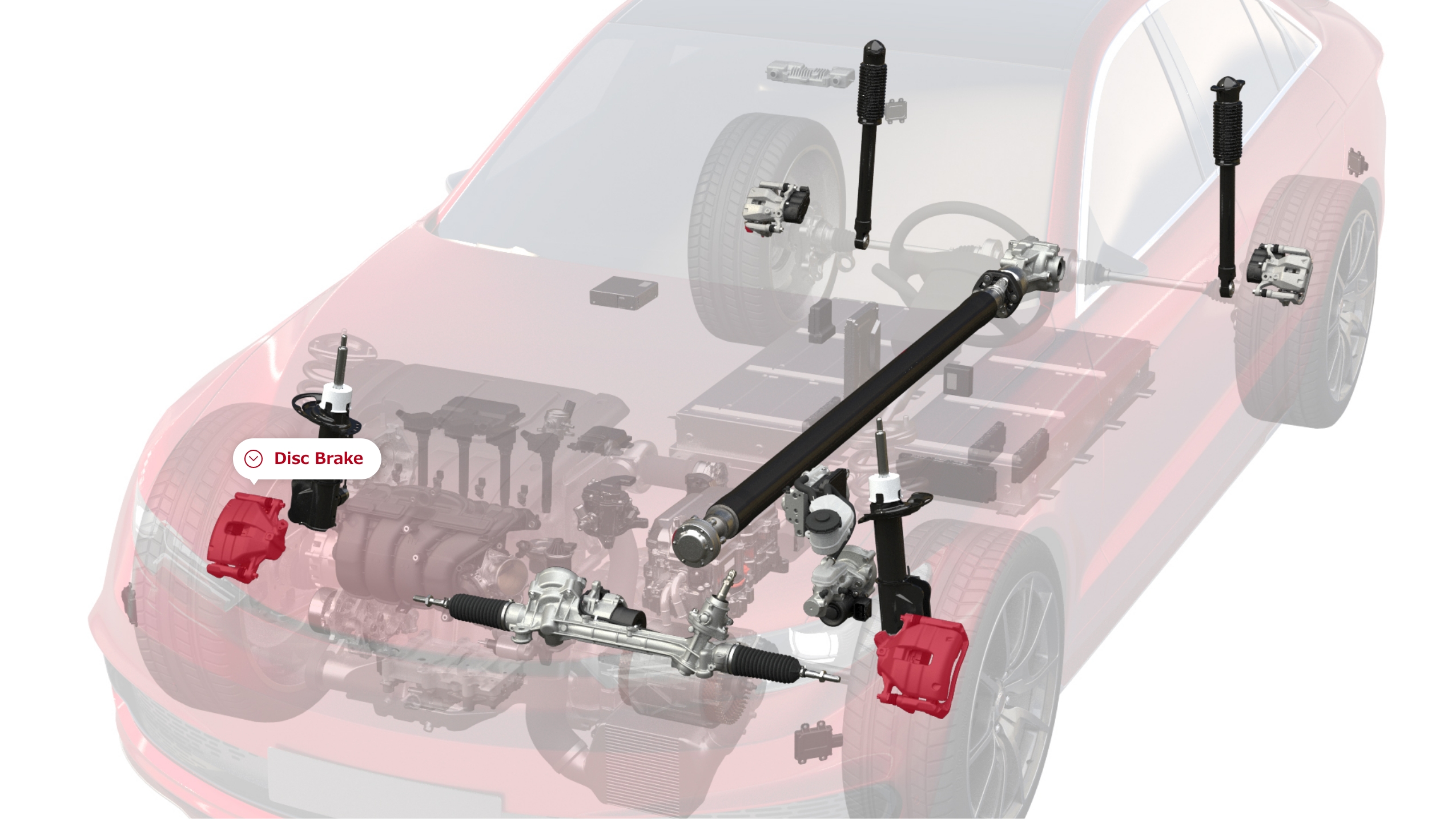
Front Disc Brake
Our innovative front SPS Caliper Brake family is a technology which combines outstanding quality and NVH performance with a high contribution to reducing CO2 emissions. It even provides zero drag by ensuring optimized clearance between the pads and discs during the life of the pad.
SPS = Spreader Springs
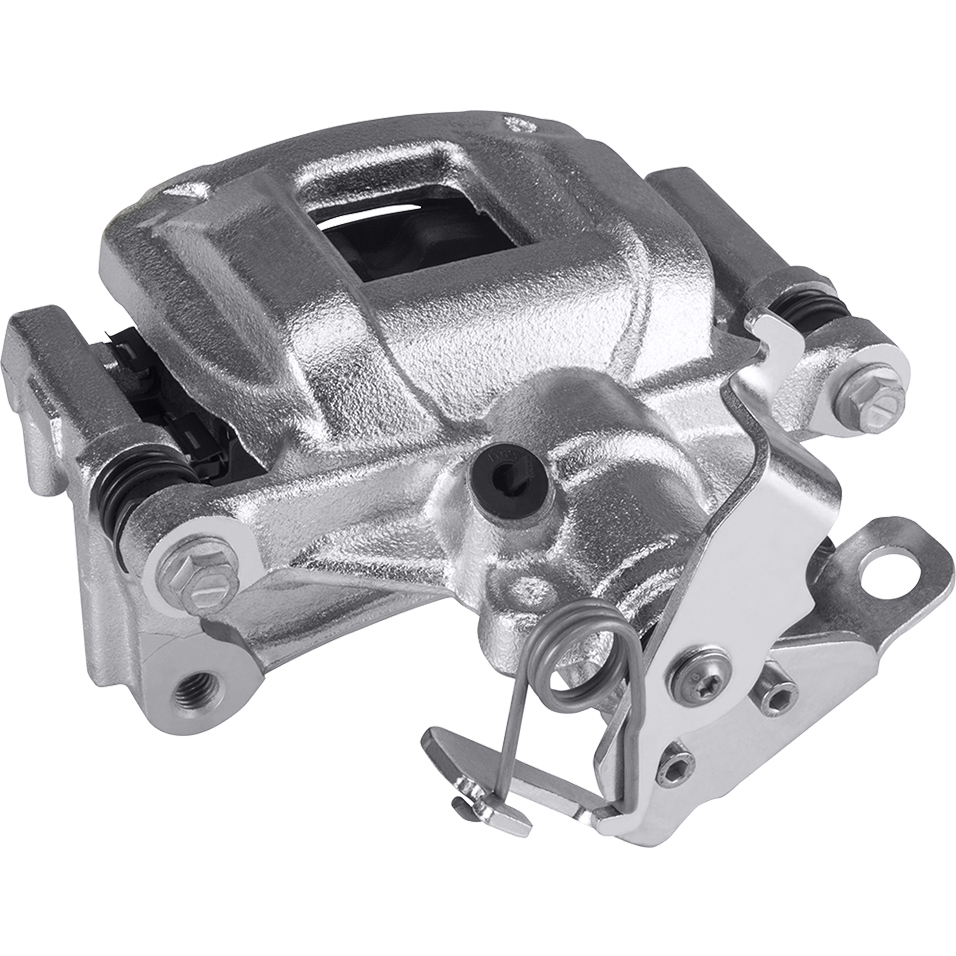
Rear Disc Brake
Astemo’s rear disc brake system features an optional compact mechanical parking brake solution that covers all vehicle applications.
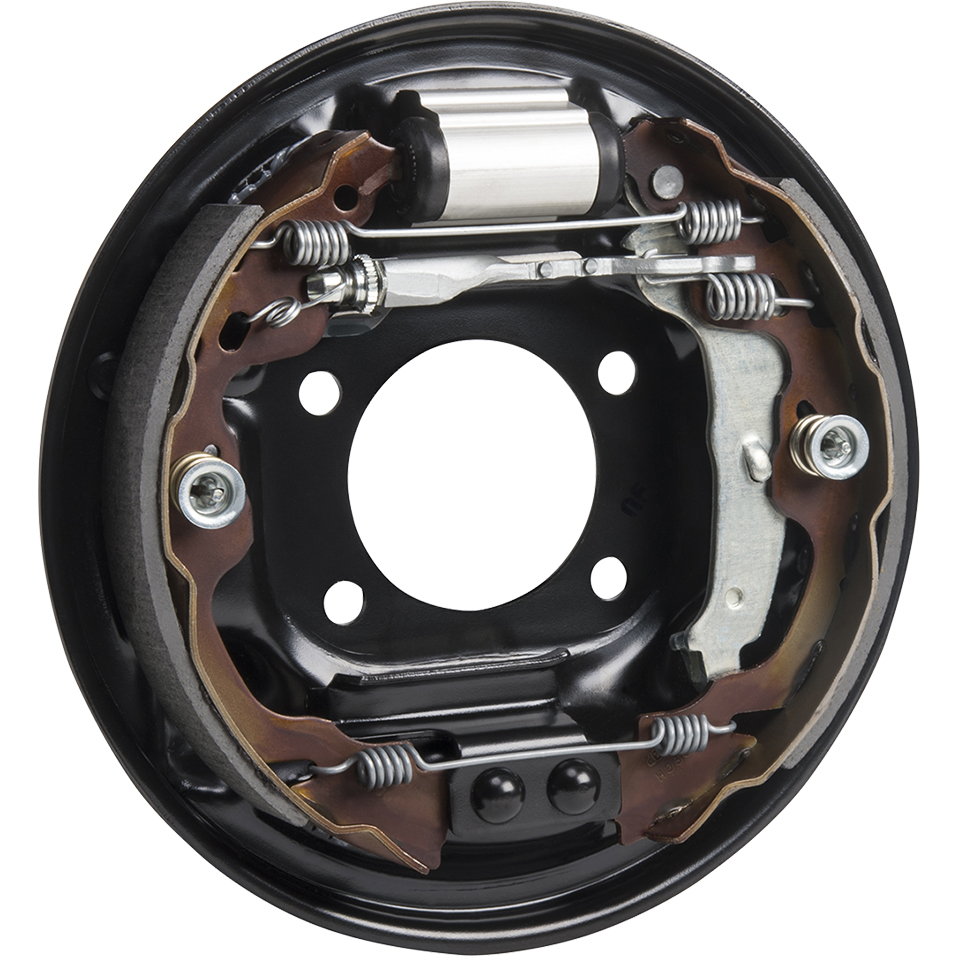
Drum Brake
Astemo’s drum brakes provide high reliability, NVH performance, corrosion resistance and robustness while reducing brake dust emissions.
NVH: Noise, vibration and harshness
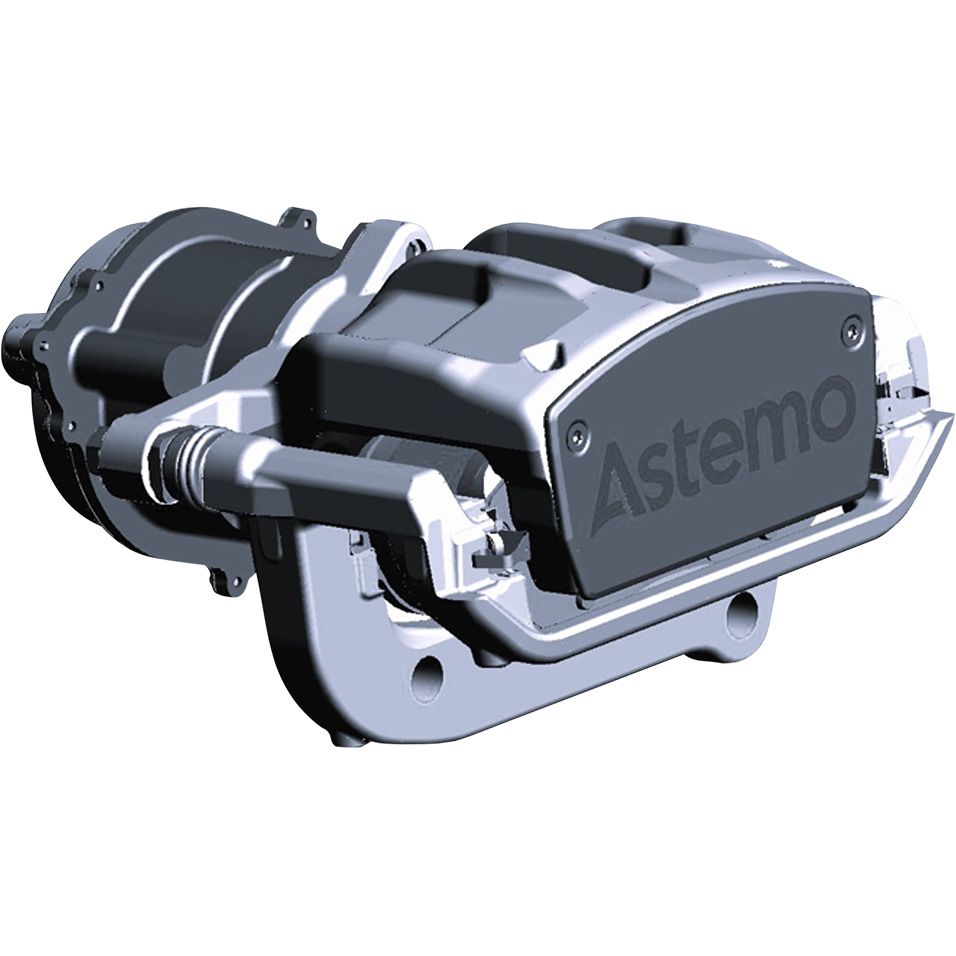
Electro-Mechanical Brake System
Astemo’s electro-mechanical brake (Smart Brake) system supports future needs of mobility. With its advanced safety concept it provides a foundation for high autonomous driving levels of future vehicle platforms. With its fast response time, it increases performance and enables precise vehicle dynamics control. It can also increase the vehicle range by using innovative algorithms realizing zero drag during vehicle usage. Due to the modular software architecture it can easily be integrated into SDVs. The product portfolio is planned for all passenger car segments up to light commercial automotive applications.
SDV : Software-defined vehicles
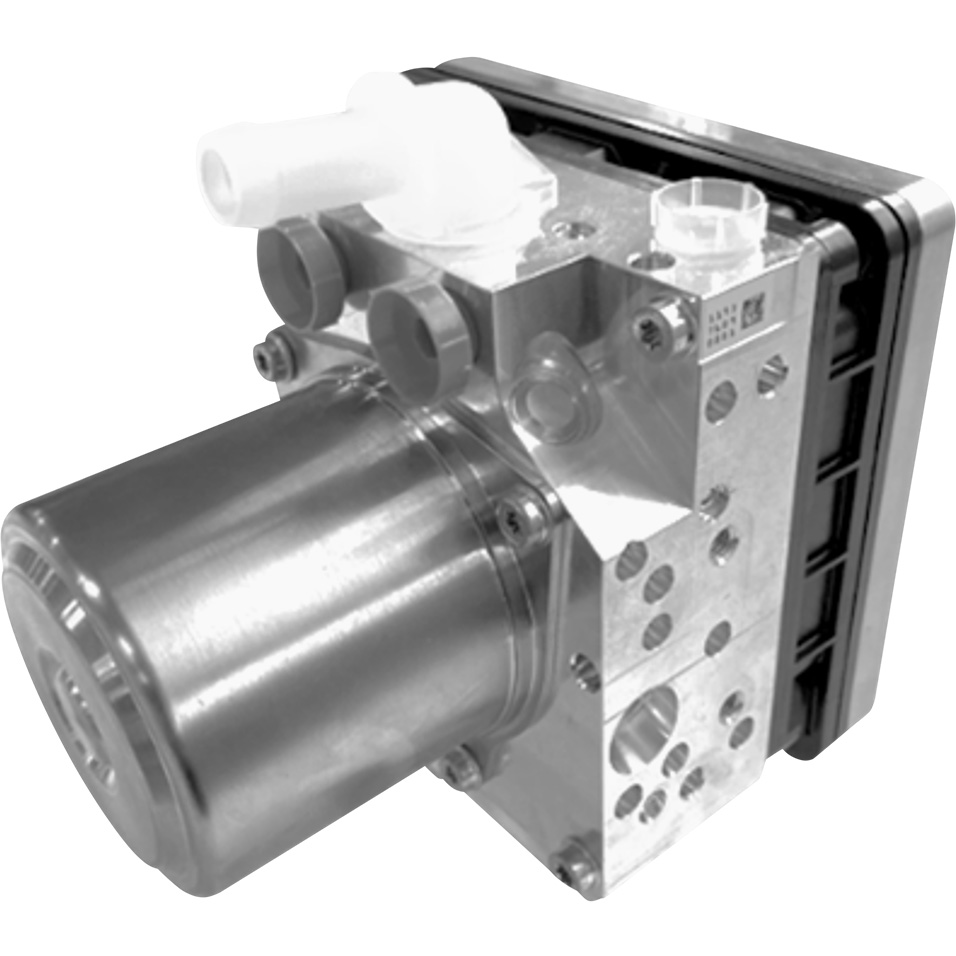
Electro-Hydraulic Brake System
Astemo’s electro-hydraulic brake (Smart Actuation) system supports the future mobility needs with a hydraulic solution. It realizes automotive independent control with highly responsive and precise pressure control, while having high-level NVH performance for service brake, ABS and vehicle motion control functions. The modular and scalable approach supports customers' future brake system architectures and is suitable for all passenger car segments up to light commercial automotive applications.
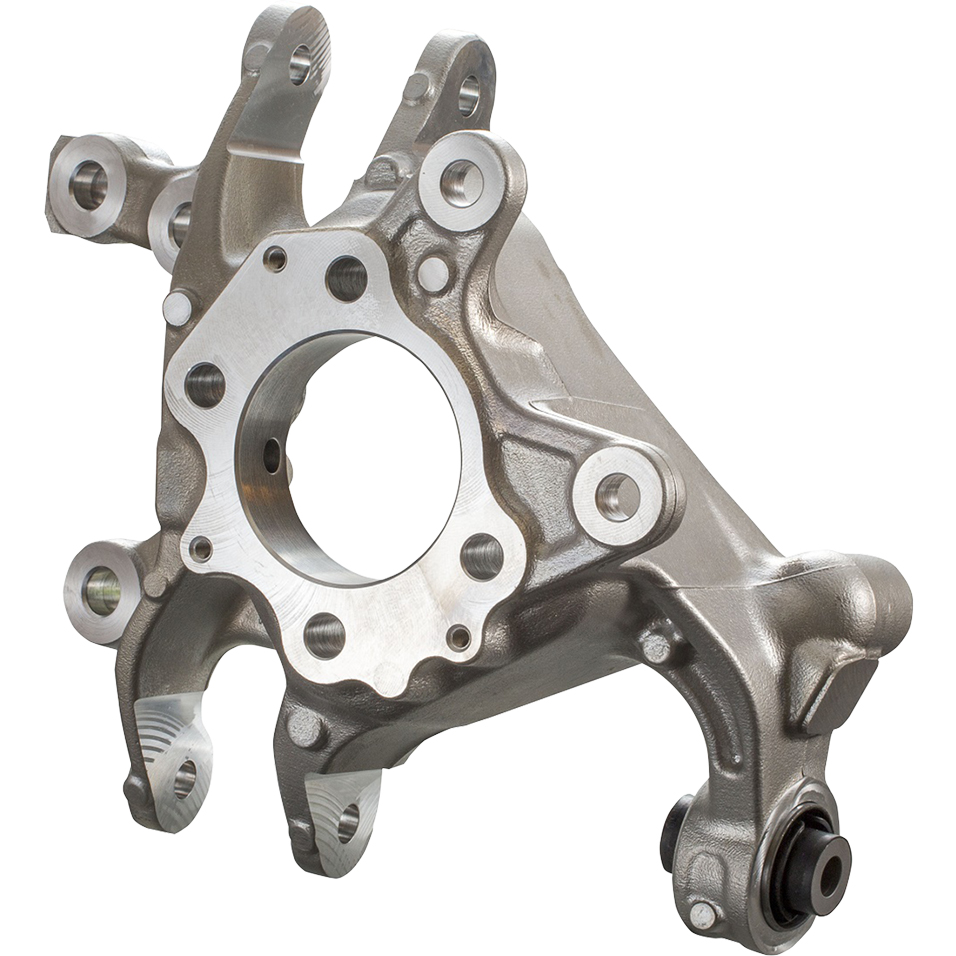
Aluminum Knuckle
Aluminum knuckles are important platform parts that are attached to each suspension arm, and connect tires, discs and other parts to the car body. Reducing weight to improve fuel efficiency was one of our critical goals, and by using high-quality casting technology to realize high-strength aluminum with excellent elongation performance , we have achieved a 30 to 40 percent weight reduction compared to steel.